What is GST Invoice? Rules, Format & Mandatory Fields Explained
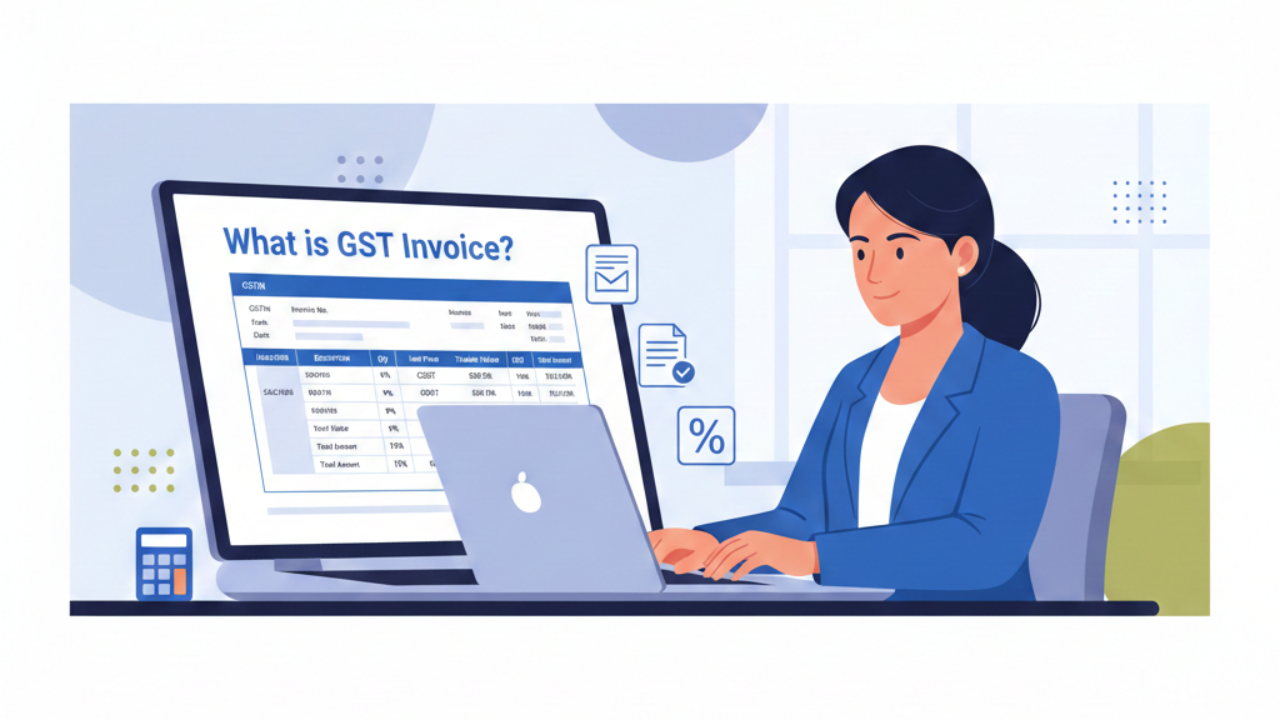
In India, managing a business involves conforming to the rules of the GST. Creating accurate invoices is one of the most crucial aspects of GST compliance. A common question among business owners is what is GST invoice is and why it is so important to day-to-day operations. You must offer a GST invoice for each taxable supply if you are a GST-registered business that sells goods or services.
An invoice for GST is more than just a bill. It is a legal document that clearly displays tax information, including GST amounts and rates. It maintains your records clear for audits and returns and assists your customer in claiming the Input Tax Credit (ITC). Businesses risk fines, late payments, and tax issues if they don't properly invoice.
It becomes much more necessary to comprehend GST invoice regulations if your company uses an invoice generator. You gain the trust of your clients and maintain legal compliance when your invoices are formatted correctly and contain all required data. We'll break everything down in plain language in this post so you can confidently and expertly make GST invoices.
What is GST invoice?
What is GST invoice? Must be clarified in order to fully comprehend compliance. When a registered business sells products or renders taxable services, it generates a legal document known as a GST invoice. It displays the supply's value as well as the precise GST that was applied. This includes, depending on the kind of transaction, CGST, SGST, or IGST.
For taxable sales, each registered supplier is required by GST law to provide a tax invoice. This document serves as documentation of the supply. Additionally, it enables your client to claim the Input Tax Credit (ITC), which lowers their tax obligation. You and your client may run into tax problems if you don't provide a correct GST invoice.
Businesses can create a GST invoice more quickly and accurately by using an invoice generator. You may compute totals, add tax rates, and keep accurate records with the use of the software. A proper GST invoice safeguards your company, facilitates easy return filing, and increases consumer trust. It is an essential component of operating an ethical, professional company and goes beyond simple paperwork.
For a deeper look, read our guide: 5 GST Mistakes Indian Freelancers Keep Making in 2026.
Types of GST Invoice in India
You should be aware that GST law permits several sorts of invoices depending on the circumstances after learning what is GST invoice. Selecting the appropriate kind is crucial for compliance and efficient tax submission.
Tax Invoice: The tax invoice is the most popular format. When you sell taxable goods or services, you send this. It lets your consumer claim Input Tax Credit and contains GST information.
Bill of Supply: If you sell other products or use the Composing Scheme, you must have a Bill of Supply. You don't charge GST separately in this situation.
Receipt Voucher: When you get paid in advance before providing goods or services, you use a receipt voucher. You offer a Refund Voucher if you decide to revoke that advance later.
Debit and Credit notes: Debit and credit notes are also used to modify invoice values. Because of returns or discounts, a credit note lowers the taxable value, but a debit note raises it.
Make sure the invoice generator you pick can handle all of these invoice formats. This keeps you accurate and compliant in all business-related circumstances.
When should you issue a GST invoice?
Understanding what is GST invoice is crucial, but so is knowing when to send one for your company. The GST law specifies exactly when invoices for goods and services must be issued.
In the event that you supply goods, you must provide the GST invoice either prior to or during the removal of the products for delivery. When you make the items available to the buyer, you should issue the invoice if there is no need for transportation.
The GST invoice for services must be sent out within 30 days after the service date. This time frame could go up to 45 days in some industries, such as banking or financial services.
When providing continuous services, such monthly contracts or long-term services, you should send out invoices in accordance with the contracted payment schedule.
Automate invoice dates or set reminders if you uses an invoice generator. Maintaining accurate records, avoiding penalties, and ensuring an easy GST return filing process are all made possible by timely invoicing. Timely invoice issue enhances cash flow and saves your company.
Mandatory Fields in a GST Invoice (As Per GST Law)
The GST law requires you to include specific information when creating a GST invoice. Audit rejection or compliance problems may result from omitting even one crucial field. Make sure the invoice generator automatically fills in all required fields if you use one.
Invoice Number: The first need is that each invoice be assigned a unique number. This figure must be in the correct order and cannot be repeated during a financial year. You must also declare the date of problem.
Business details: Next, provide your address, GSTIN, and business name. You are recognized as a registered supplier by these details. If the consumer is registered, you also need to include their name, address, and GSTIN.
Service details: Every GST invoice should describe the goods or services clearly. If relevant, include the SAC code for services or the HSN number for products. Mention the total value, quantity, and unit of the things that were supplied.
Tax fields: Additionally, you have to display the taxable value independently of the tax amount. The GST charged as CGST and SGST for intrastate sales or IGST for interstate sales should therefore be clearly broken down. Include the point of supply if appropriate, particularly in nationwide transactions.
Signature: Lastly, submit your signature or digital signature along with the invoice's entire value, including taxes. Maintaining professional and clarity might also be aided by a declaration line.
Create GST-Compliant Invoices in Seconds - Start Free
Stop worrying about GST rules and invoice errors. Generate professional, GST-ready invoices with automatic tax calculation and proper format — all in one place.
You decrease errors and gain the trust of your clients when your invoice includes all of these facts in an understandable manner. The legal framework of what is GST invoice is formed by these mandatory fields.
GST Invoice Format (sample Structure)
An invoice that is organized and easy to read makes your company appear compliant and professional. The format often follows to a common layout when using an invoice generator. However, you should be aware of the format of a legal GST invoice.
The header section should come first. This covers your company name, location, contact information, GSTIN, and logo. The invoice number and date should be clearly shown just beneath that.
Add the customer's information after that. If they are registered, provide their name, address, and GSTIN. Input Tax Credit filings are supported and transparency is ensured in this section.
The item table is located in the invoice's main body. Provide a description, HSN or SAC code, quantity, rate, and total value for every good or service. Make sure this part is clear and simple to read.
The tax estimate section should then be displayed. Show the taxable amount and segment the GST into CGST, SGST, and IGST. Lastly, state the entire amount paid.
GST Invoice vs Normal Invoice
A lot of businesses mistake a standard invoice for a GST invoice. But the two documents have different functions. The sale amount and payment information are all that are displayed on an average invoice. Details on tax registration and GST breakdown are not included.
In contrast, a GST invoice has a detailed tax breakdown, your GSTIN, the customer's GSTIN (if registered), and any HSN or SAC codes. CGST, SGST, or IGST are displayed independently. Your customer is able to claim Input Tax Credit using this arrangement. This benefit is not included in a typical invoice.
The compliance is another important difference. Under GST law, a GST invoice must adhere to certain legal requirements. You might be taxed if you omit important information. A regular invoice does not carry the same tax compliance responsibility.
If you use an invoice generator, always select the correct invoice type based on your GST registration status. Understanding this difference also helps you clearly explain to clients what is GST invoice and why it matters for tax purposes.
Penalty for Not Issuing GST invoice
If you do not issue a proper GST invoice when required, you may face penalties under GST law. The government treats invoicing as a serious compliance matter. It is not just paperwork. It directly affects tax reporting and Input Tax Credit claims.
According to GST regulations, you can be required to pay a penalty of ₹10,000 or the applicable tax amount, whichever is higher, if you fail to provide an invoice or issue one that is wrong. In some cases, authorities may also question your sales records during audits. This can delay return filings and create unnecessary stress for your business.
Incorrect invoices can also damage client trust. If your customer cannot claim Input Tax Credit because of missing details, they may ask for corrections or delay payment. This affects your cash flow.
If you use an invoice generator, always review details before sending the invoice. Proper formatting and accurate tax calculation protect your business. When you clearly understand what is GST invoice and follow the rules, you reduce risks and stay compliant with confidence.
Always double-check GSTIN, tax rates, and invoice numbers before sending invoices. Even small errors can affect Input Tax Credit claims.
Conclusion
It takes more than just following the laws to issue the accurate GST invoice. It facilitates efficient business operations and builds customer trust. You can prevent fines and minimize filing problems when your invoices contain all required information and the correct tax breakdown.
Using an invoice generator may simplify the billing process. Automation saves time, avoids mistakes, and maintains the order of your documents. This enhances your total cash flow and makes submitting GST returns simpler.
Now that you are aware of all what is GST invoice, with its laws, format, and essential elements, you may write invoices with confidence. Use solid information and stay current on GST laws to guarantee compliance. A thoughtful GST invoice supports your business and encourages long-term growth.
Always double-check GSTIN, tax rates, and invoice numbers before sending invoices. Even small errors can affect Input Tax Credit claims.
Found this helpful?
Share it with a fellow freelancer or business owner.
Keep reading
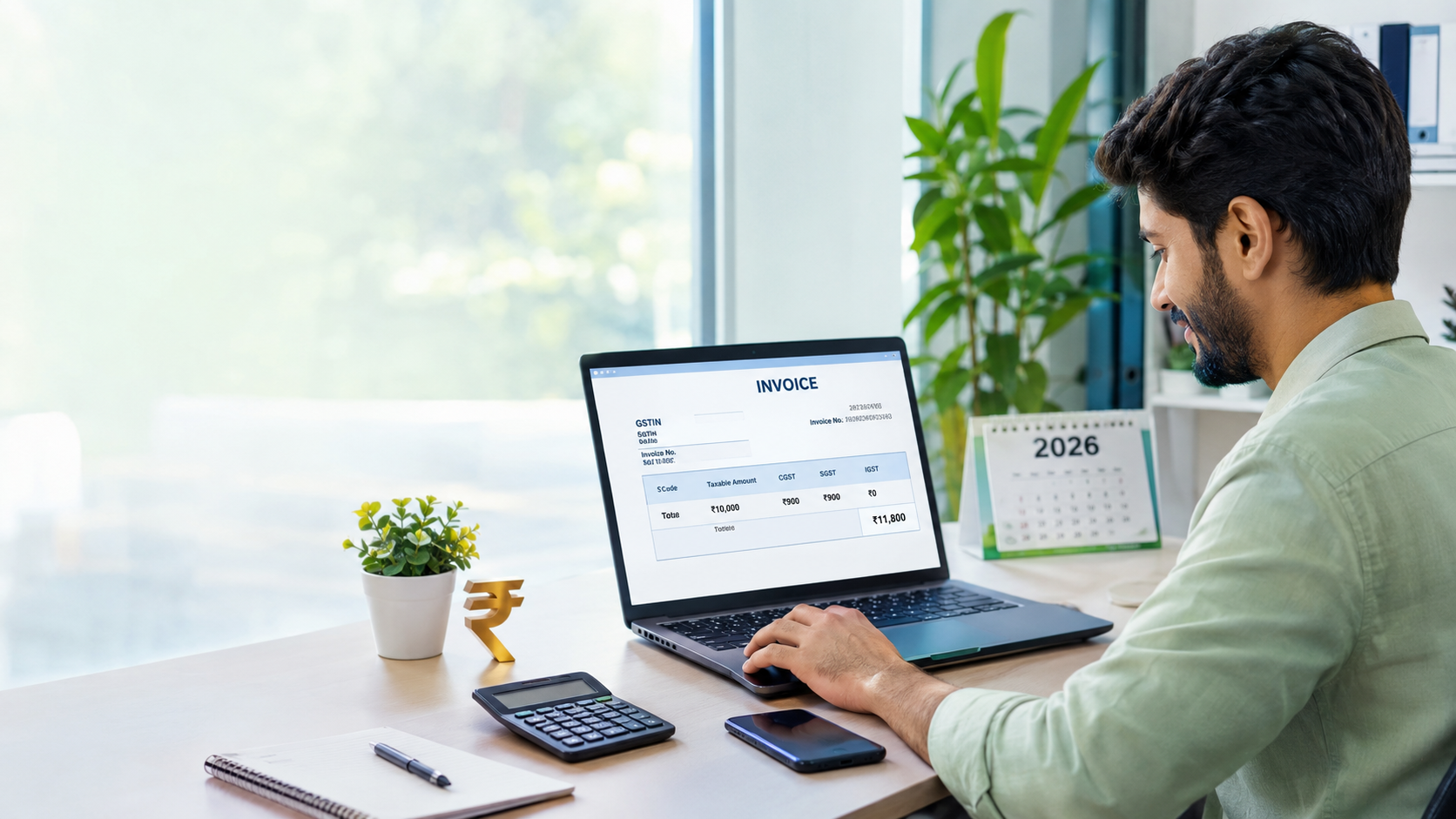
GST Invoice Requirements for Indian Freelancers in 2026: The Complete Checklist
If your annual freelance income in India exceeds ₹20 lakh, GST registration is mandatory. But even below that threshold, corporate clients often demand a GSTIN before processing your invoice. Understanding what a compliant GST invoice must contain helps you avoid rejected payments and stay on the ri

5 GST Mistakes Indian Freelancers Keep Making in 2026 (And How to Fix Them)
Indian freelancers generating GST invoices face an increasingly strict compliance environment in 2026. The GSTR-3B auto-lock changes introduced in July 2025, combined with tighter GSTR-1 requirements, mean that the shortcuts many freelancers relied on can now trigger notices, penalties, or blocked i
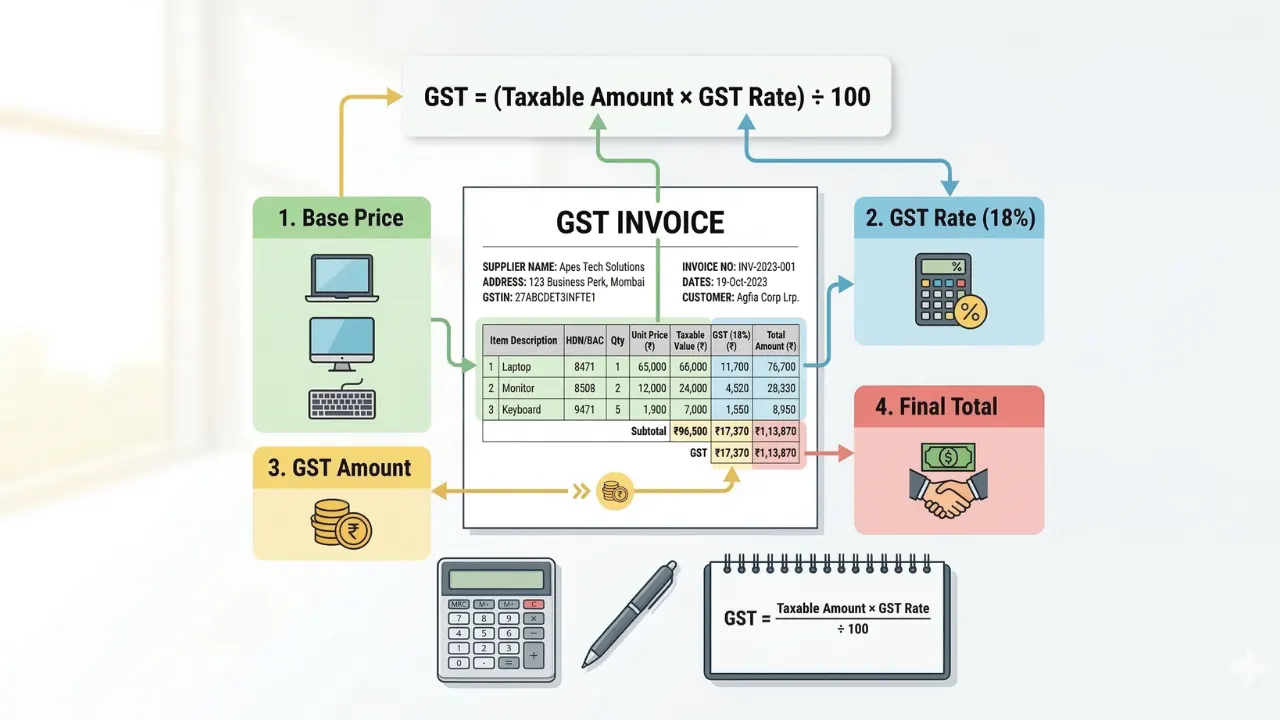
How to Calculate GST in Invoice (With Simple Examples)
Learn how to calculate GST in an invoice with simple formulas and practical examples. This guide explains GST calculation clearly so businesses can create accurate invoices.
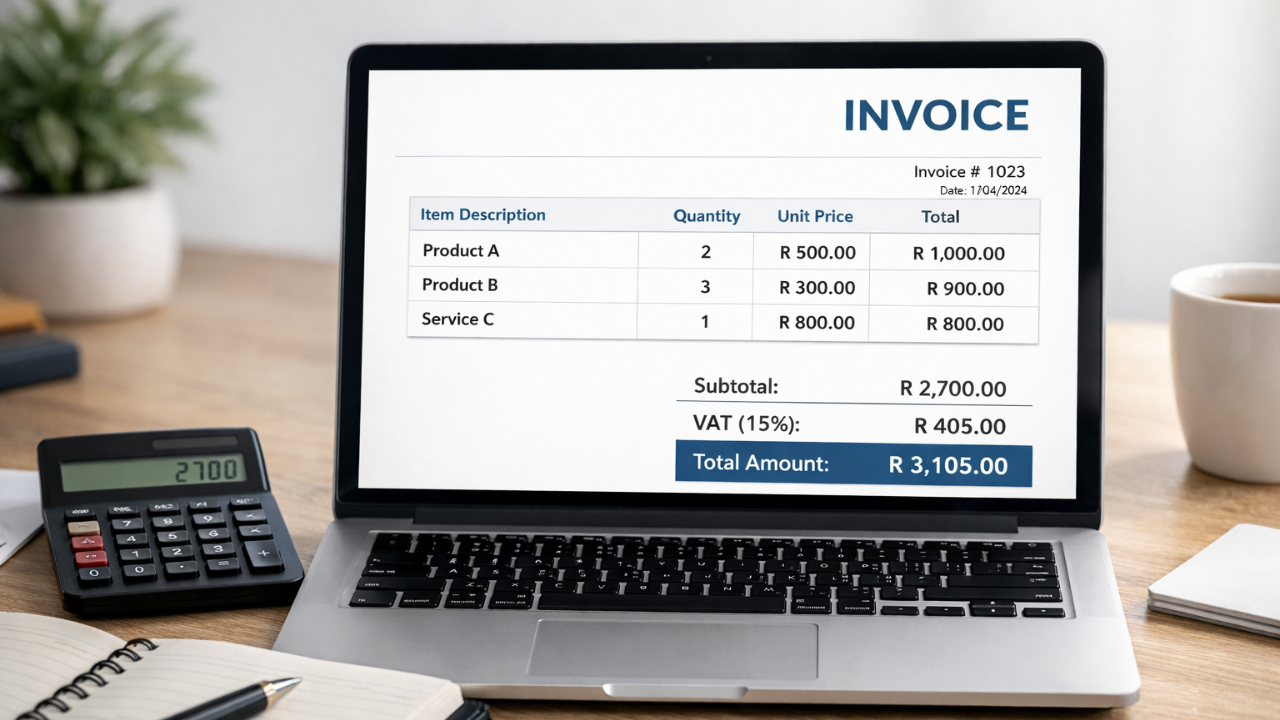
How to Calculate VAT in South Africa (15% Explained with Simple Examples)
Learn how to calculate VAT in South Africa at 15% with simple formulas and examples. Understand VAT calculations for invoices and improve your billing accuracy.
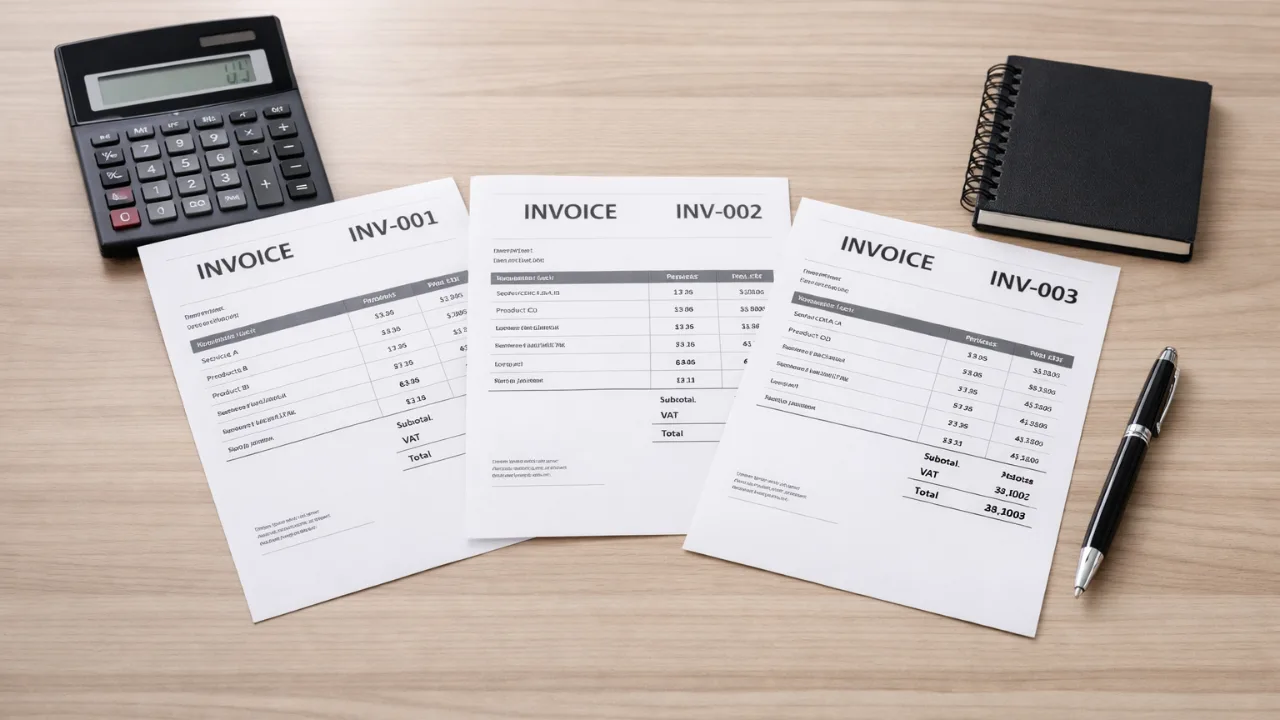
Invoice Numbering Rules in South Africa a Simple Guide for Businesses
Understanding invoice numbering rules in South Africa helps businesses maintain proper financial records and stay organized.
Japan's Qualified Invoice System in 2026: A Freelancer's Complete Guide Before the October Transition
Japan's Qualified Invoice System (インボイス制度) launched in October 2023, but the real crunch for freelancers arrives in October 2026 — when the transitional 80% input tax credit deductibility drops to 50%. Here is everything you need to know to protect your income and keep clients happy.