Invoice Numbering Rules in South Africa a Simple Guide for Businesses
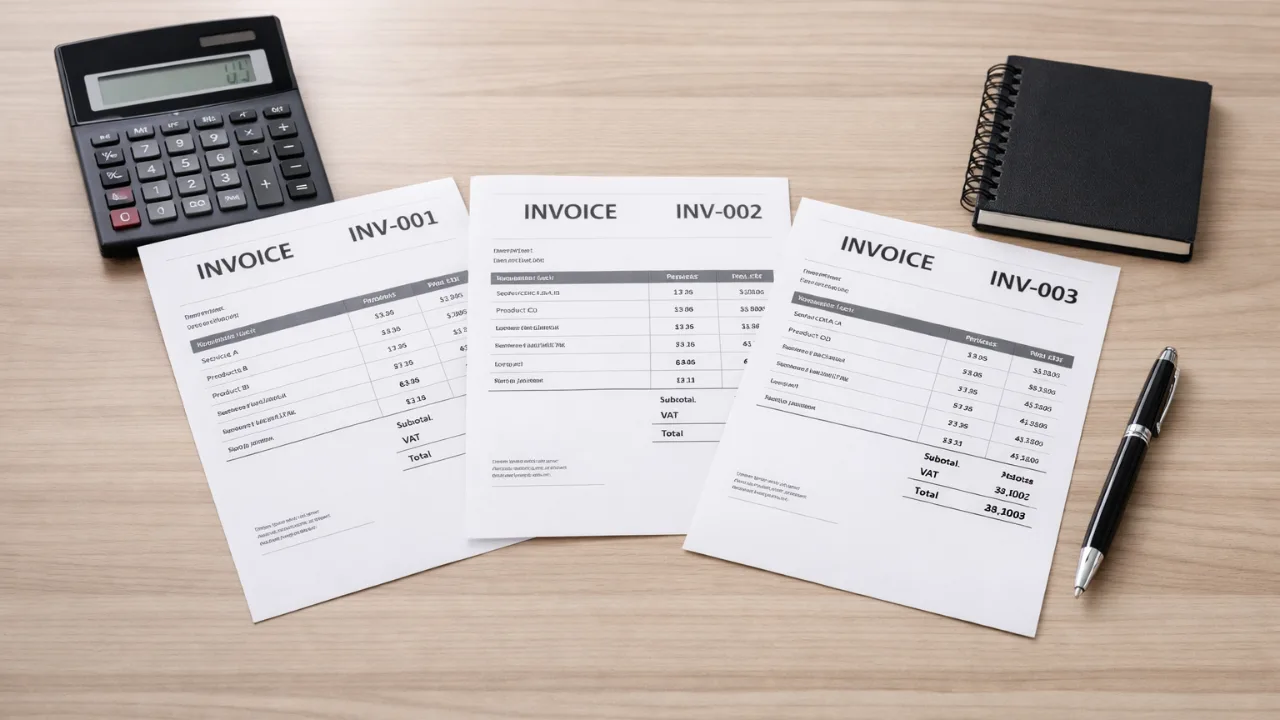
Invoice numbering may appear to be a little issue, yet it plays a crucial role as it keeps company finances organized. Every invoice you submit should be allocated a unique number so that you can simply track payments, manage records, and minimize confusion between transactions. A clear numbering system facilitates accounting for companies that manage multiple customers or charge often.
Understanding the Invoice Numbering Rules in South Africa is critical to sustain correct documentation and remaining organized. When invoices are properly numbered, it is easier to track sales, manage reports, and keep exact financial records for your company.
What Is an Invoice Number?
An invoice number is a unique identification provided to each invoice that a company sends to a customer. It allows both the business and the client to easily track specific transactions. Instead of going through more than one file, the invoice number helps you to quickly locate the specific invoice for a payment or service.
For companies that submit bills on a regular basis, this number becomes an important part of financial management. It ensures that each invoice is unique and easy to identify. Following correct Invoice Organizing Rules in South Africa assists start-up companies in maintaining accurate records and a clear and structured invoicing system.
Why Invoice Numbering Is Important in South Africa?
Although invoice numbering appears to be a minor detail, it is critical to the proper operation of a business. As each invoice has its own unique number, it is much easier to track payments, determine which invoices remain late, and identify specific transactions as needed.
For organizations that issue bills on a regular basis, a basic numbering system keeps everything in order and minimizes confusion between clients or projects. It is also useful for evaluating financial information and preparing reports.
Businesses in South Africa can maintain accurate documentation and establish a more dependable invoicing process to support enhanced financial management by adhering to proper invoice numbering rules.
Create Professional Invoices with Automatic Numbering
Managing invoice numbers manually can lead to mistakes and confusion. Use InvoiceDesire to automatically generate professional invoices with proper numbering, helping you keep your business records organized and professional.
Basic Invoice Numbering Rules in South Africa
It's crucial to use an easy and standard numbering system when generating invoices for your company. The main goal of the Invoice Numbering Rules in South Africa is to keep invoices simple, individual and identifiable. The same invoice number should never be used twice; each invoice should have its own unique number.
For a deeper look, read our guide: How to Calculate VAT in South Africa.
Sequential numbering is used by the majority of businesses, with each new invoice coming after the one before it. If your first invoice is 001, for example, the next should be 002, followed by 003, and so forth. Tracking transactions and finding any missing invoices is made simple as a result.
Additionally, consistency is crucial. Try not to change your numbering format too often once you've decided on one. To make records easier to organize, some companies also include the year or project code in the invoice number.
SARS Invoice Requirements
Businesses in South Africa should be mindful of the regulations established by SARS (South African Revenue Service) when they issue invoices. The nation's tax administration is handled by SARS, and accurate documentation helps businesses in keeping transparent financial records. In order to follow the good business and tax practices, certain details should always be included, although invoice formats could differ.
A different invoice number is one of the most essential requirements. This number guarantees that every invoice can be easily tracked and aids in identifying each transaction. Businesses can prevent confusion and keep organized records by following to the Invoice Numbering Rules in South Africa.
Invoices should include the date of issuance in addition to the invoice number. This makes it easier for the client and the business to figure out when the transaction has happened and when payment is due.
Businesses ought to supply facts about themselves, including their full name, address, and phone number. In a comparable manner, the invoice should include the client's information so that it is clear to whom it is addressed.
Lastly, the invoice should include an extensive account of the products or services provided, the cost, and the entire amount due. Incorporating these details provides reliability and makes the management of financial records.
Common Invoice Number Formats Used by Businesses
The objective is always the same regardless of how different companies generate invoice numbers: to ensure that every invoice is distinct and simple to find. A typical format is ordered numbering, such as 001, 002, and 003. This is simple to carry out and efficient for small businesses. Another option is to use date-based numbering, such as 2024-001 or 2024-002. Sorting invoices by year is made simpler as a result. Project or client codes, such as INST-001 for Instagram services and WEB-001 for website projects, are also used by certain businesses. Making sure the numbering system is straightforward and uniform is the most essential thing to keep in mind when following to the Invoice Numbering Rules in South Africa.
How to Create a Proper Invoice Numbering System
Contrary to what many businesses believe, establishing a clear invoice numbering system is simple. The secret is to select a strategy that is straightforward, reliable, and manageable over time. The main goal of following to the Invoice Numbering Rules in South Africa is to make sure that each bill of sale has an individual number that allows for clear transaction tracking.
Select a numbering scheme that is suitable for your company first. Because they are quick and simple to follow, numerical sequences like 001, 002, and 003 are used by a lot of companies. Others make it simpler to arrange invoices by date through including the year in the invoice number, such as 2024-001.
Maintaining unity is crucial. Try to use the same structure for all of your invoices once you've chosen a format. Regular format changes can lead to misunderstandings when financial records are further reviewed.
Maintaining a record of all issued invoices is also a good idea. This makes it simpler to find the absence of invoices and helps you avoid using identical numbers.
Businesses can maintain an organized and neat invoicing system that facilitates improved financial management by adhering to these easy steps and the Invoice Numbering Rules in South Africa.
A well-numbered invoice system keeps your business organized and your finances easy to track.
Typical Errors Businesses Make When Numbering Invoices
Many companies are unaware that minor errors in invoice numbering can lead to misunderstandings down the road. Employing the same number of invoice multiple times is a common issue that makes it difficult to keep track of payments. Moving numbers in a sequence without a record or explanation is another error. When examining financial records, this may cause problems.
Also, some companies modify their numbering scheme all the time, which eventually causes it more difficult to arrange invoices. Avoiding these issues and keeping a clear, uniform, and manageable invoicing system are two benefits of adhering to the Invoice Numbering Rules in South Africa.
Benefits of Using an Invoice Generator for Numbering
When you have a small number of clients, manually managing invoice numbers can be effective, but as your business expands, it can quickly become confusing. An invoice generator comes in very helpful in such a scenario. Every invoice is provided by default a unique number, which makes the whole process and minimizes the risk of errors.
Accuracy is one of the main advantages. You don't have to be worried about intentionally skipping or repeating numbers. You may comply with the Invoice Numbering Rules in South Africa through the use of the system that keeps everything arranged.
Time savings is an additional advantages. The generator takes care of generating as well as tracking invoice numbers instead of you. This enables you to spend less on handling administrative responsibilities and more on your work.
Furthermore, by organizing all of your bills in one location, invoice generators make it simpler to locate past records when you require them.
Conclusion
By following to the Invoice Numbering Rules in South Africa, businesses can keep well-organized and manageable records. A simple, uniform numbering system makes it easier to keep accurate financial records and monitor payments. An invoice generator may additionally streamline the whole process as well as ensure that each check has the correct number.
Found this helpful?
Share it with a fellow freelancer or business owner.
Keep reading
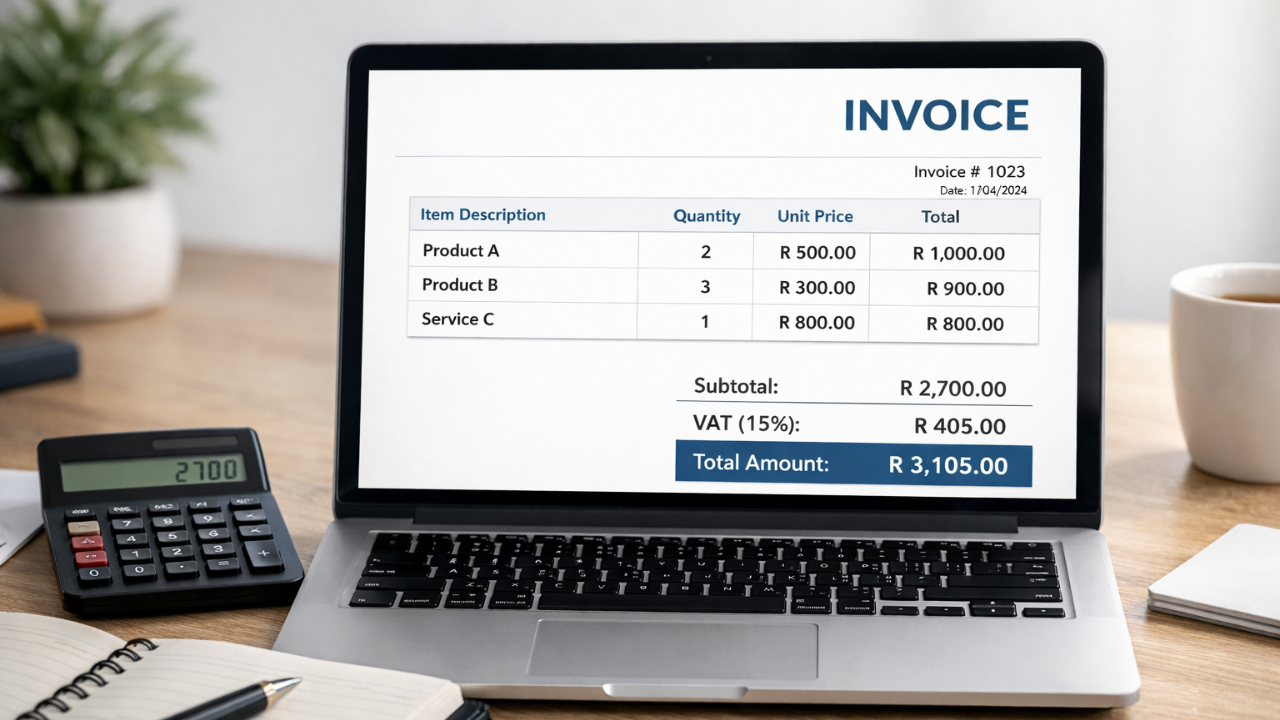
How to Calculate VAT in South Africa (15% Explained with Simple Examples)
Learn how to calculate VAT in South Africa at 15% with simple formulas and examples. Understand VAT calculations for invoices and improve your billing accuracy.

VAT Inclusive vs. Exclusive: Which One Should Your Business Use?
Understanding the difference between inclusive and exclusive pricing is vital for SARS compliance and clear client communication in South Africa.
GST Invoice Requirements for Indian Freelancers in 2026: The Complete Checklist
If your annual freelance income in India exceeds ₹20 lakh, GST registration is mandatory. But even below that threshold, corporate clients often demand a GSTIN before processing your invoice. Understanding what a compliant GST invoice must contain helps you avoid rejected payments and stay on the ri
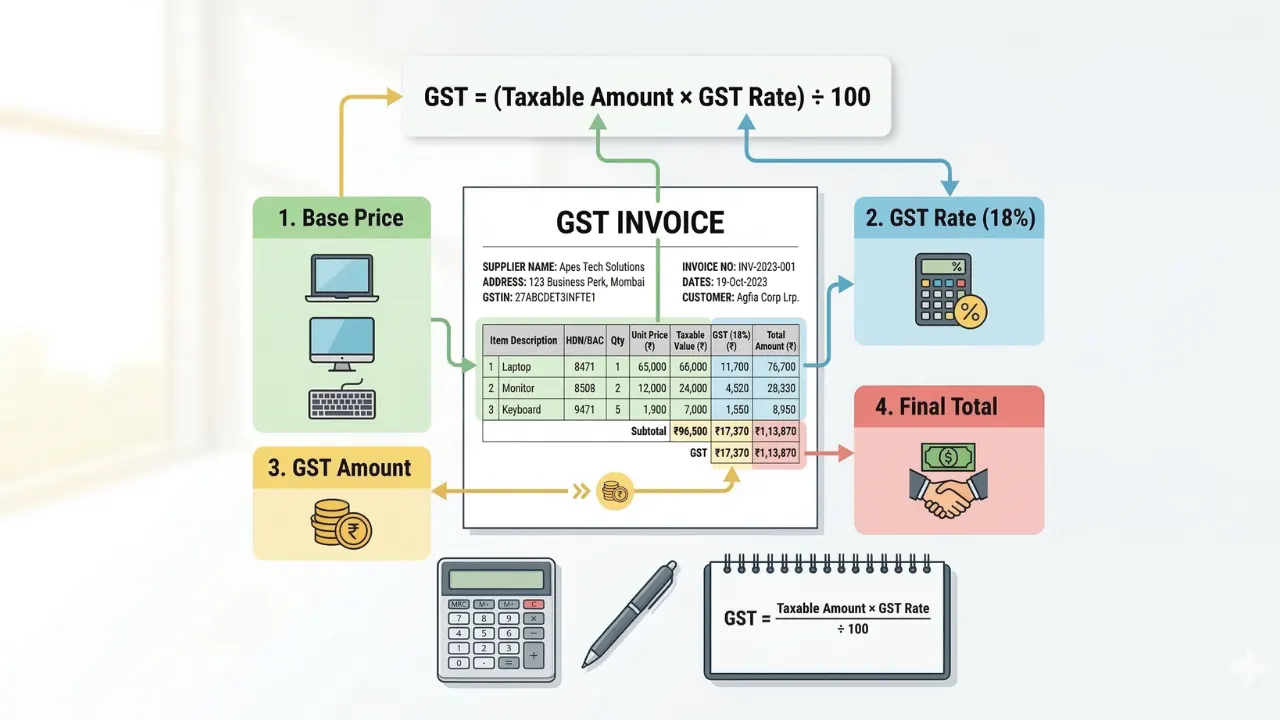
How to Calculate GST in Invoice (With Simple Examples)
Learn how to calculate GST in an invoice with simple formulas and practical examples. This guide explains GST calculation clearly so businesses can create accurate invoices.
Canada GST/HST Invoice Requirements for Freelancers: The 2026 Compliance Guide
If you freelance in Canada and your billings have crossed $30,000 in the past year, the Canada Revenue Agency requires you to charge GST or HST on your invoices. Many freelancers hit this threshold without realising it applies on a rolling 12-month basis — not a calendar year — meaning you could be
Can ChatGPT Create Invoices? Pros, Risks & Accuracy Explained
Can ChatGPT create invoices? Learn the benefits, risks, accuracy, and limitations of using AI for invoicing.