Net 15 vs Net 30: Which Invoice Payment Terms Should Freelancers Use?
Introduction
When you work as a freelancer, getting paid on time is just as important as completing the work. You may finish a project, send the invoice, and then wait weeks for the payment to arrive. This is why choosing the right invoice payment terms matters.
Two common options are Net 15 and Net 30. Both tell your client how long they have to pay after receiving an invoice. With Net 15, payment is due within 15 days, while Net 30 gives the client 30 days to pay.
Create Professional Invoices in Minutes
Generate clean, accurate invoices instantly with our free online invoice generator. No signup required. Fast, simple, and professional.
But which one should you choose? A shorter payment period can help you receive money sooner, while a longer period may make it easier to work with clients who follow fixed payment schedules.
In this guide, we'll explain the difference between Net 15 and Net 30, their benefits and drawbacks, and how to choose the right payment terms for your freelance business.
What Are Net 15 Payment Terms?
Net 15 is an invoice payment term that means your client must pay the full invoice amount within 15 calendar days of the invoice date, unless your agreement states otherwise.
For freelancers, this means you don't have to wait a full month to receive payment. It can help you manage regular expenses and maintain a steady cash flow.
How Net 15 Works
For example, if you send an invoice on November 1 with Net 15 terms, your client should complete the payment by November 16.
Example of a Net 15 Invoice
INVOICE
Net 15
Invoice date: November 1, 2026
$500.00
Payment terms: Net 15
Due date: November 16, 2026
Status: Payment pending
Benefits and Drawbacks of Net 15
Benefits:
Helps you receive payments sooner.Makes monthly expense planning easier.Reduces the time spent waiting for payments.
Drawbacks:
Some clients may find 15 days too short.Larger companies may have fixed payment cycles.You may need to send reminders if clients miss the deadline.
Net 15 can be a good choice for freelancers who prefer shorter payment periods and want better control over their cash flow.
What Are Net 30 Payment Terms?
Net 30 is a payment term that gives your client 30 calendar days to pay the invoice in full from the invoice date, unless another starting point is agreed upon.
Many businesses use Net 30 because it gives their accounts payable teams enough time to process invoices and arrange payments. Freelancers working with established companies may come across this payment term quite often.
How Net 30 Works
For example, if you send an invoice on November 1 with Net 30 terms, the payment is due by December 1.
Example of a Net 30 Invoice
INVOICE
Net 30
Invoice date: November 1, 2026
$500.00
Payment terms: Net 30
Due date: December 1, 2026
Status: Payment pending
Benefits and Drawbacks of Net 30
Benefits:
Gives clients more time to arrange payment.Can make working with larger companies easier.May help build long-term client relationships.
Drawbacks:
You wait longer to receive your money.Delayed payments can affect your cash flow.You may need to follow up with clients more often.
Net 30 can work well for freelancers who serve established businesses and are comfortable waiting longer for payments.
Net 15 vs Net 30: Key Differences
The main difference between Net 15 and Net 30 is the payment deadline. Net 15 gives clients 15 days to pay, while Net 30 allows 30 days.
Here are some important differences freelancers should consider.
1. Payment Deadline
With Net 15, you receive payment sooner because clients have only 15 days to pay. Net 30 gives them an additional 15 days to complete the payment.
2. Cash Flow
Net 15 can help freelancers maintain a steady cash flow by reducing waiting time. With Net 30, you may need to plan your expenses carefully while waiting for payments.
3. Client Flexibility
Net 30 gives clients more time to process invoices, which can be helpful for businesses with fixed payment schedules. Net 15 may be more suitable for smaller clients and individual projects.
4. Financial Planning
Net 15 makes it easier to estimate when money will arrive. Net 30 requires a little more planning, especially if you have regular expenses or multiple unpaid invoices.
5. Business Relationships
Some clients prefer Net 30 because it matches their internal payment process. Offering reasonable payment terms can make working together easier, but you should also consider your own financial needs.
In short: Net 15 focuses on receiving payments sooner, while Net 30 gives clients more time to pay. The right choice depends on your clients, project size, and cash flow needs.
Choose the term that works for both your business and your client's payment process. Make sure the agreed payment deadline is clearly mentioned on every invoice.
Which Payment Terms Are Better for Freelancers?
The right payment terms depend on your work, clients, and financial needs.
Choose Net 15 if you want faster payments, work with small businesses, or need regular cash flow.Choose Net 30 if you work with established companies that follow monthly payment schedules or need more time to process invoices.
If you are a new freelancer, you can also ask for an upfront deposit before starting a project and use Net 15 for the remaining amount.
Our suggestion: Start with Net 15 when possible. If a reliable client requests Net 30, consider accepting it after discussing clear payment deadlines.
Can Freelancers Negotiate Net 15 or Net 30 Terms?
Yes. Freelancers can discuss payment terms with clients before starting a project. You don't always have to accept the payment schedule suggested by the client.
Here are a few simple ways to negotiate:
Discuss terms early: Agree on the payment deadline before starting work.
Offer options: Ask whether the client can pay within 15 days instead of 30.
Request an advance: For larger projects, ask for a deposit before beginning.
Put everything in writing: Mention the agreed payment terms in your contract and invoice.
A clear payment agreement helps avoid confusion and makes the working relationship easier for both sides.
What Happens If a Client Misses the Payment Due Date?
Sometimes clients forget to pay or take longer than expected to process an invoice. If your payment deadline passes, don't ignore it. A simple follow-up can help you get paid.
Here are a few steps to take:
Send a friendly reminder: Contact the client and mention that the invoice is overdue.
Share invoice details: Include the invoice number, amount, and due date.
Follow up again: If there is no response, send another polite reminder.
Apply late fees if agreed: Charge a late fee only if it was included in your original agreement and is legally permitted.
Keep your communication professional and save payment-related messages for future reference. This can help prevent misunderstandings and make payment follow-ups easier.
How to Choose and Set Payment Terms on Your Invoice
Once you decide between Net 15 and Net 30, make sure the payment terms are clearly mentioned on your invoice.
Follow these simple steps:
Add the invoice date.Mention the agreed payment term, such as Net 15 or Net 30.Include the exact payment due date.Add your accepted payment methods.Share the invoice with your client.
You can use InvoiceDesire to create a professional invoice, add payment details, and download it as a PDF.
Clear payment terms help clients understand when payment is expected and reduce confusion later.
Common Mistakes Freelancers Should Avoid
Choosing payment terms is important, but small mistakes can lead to delayed payments. Here are some common mistakes to avoid:
Not mentioning due dates: Always include the exact payment deadline on your invoice.
Accepting unclear terms: Discuss payment expectations before starting work.
Not sending reminders: Follow up when a payment becomes overdue.
Ignoring advance payments: Consider asking for a deposit on large projects.
Choosing long payment terms without planning: Make sure you can manage your expenses while waiting for payment.
A little planning and clear communication can help you avoid payment problems and manage your freelance business more smoothly.
Frequently Asked Questions
1. Is Net 15 better than Net 30?
Net 15 is better if you want to receive payments sooner and maintain regular cash flow. Net 30 may be more suitable when working with larger companies that need extra processing time.
2. What does Net 15 mean on an invoice?
Net 15 means the client must pay the full invoice amount within 15 days of the invoice date, unless otherwise agreed.
3. Does Net 30 mean 30 business days?
No. Net 30 generally means 30 calendar days, including weekends and holidays, unless the agreement states otherwise.
4. Can freelancers ask for Net 15 payment terms?
Yes. Freelancers can request Net 15 terms and discuss them with clients before starting a project.
5. Which payment terms are best for new clients?
For new clients, Net 15 or an upfront deposit can help reduce waiting time and payment risk. Choose terms that both sides agree to.
6. Can I charge a late fee after Net 15 or Net 30?
Yes, if the late fee was agreed upon in advance and is allowed under applicable laws. Clearly mention the fee in your contract or payment agreement.
Final Thoughts
Choosing between Net 15 and Net 30 depends on how you manage your freelance business and work with clients. Net 15 helps you receive payments sooner, while Net 30 gives clients more time to process invoices.
Before agreeing to any payment terms, consider your cash flow, project size, and client relationship. Always mention the payment deadline clearly on your invoice to avoid confusion.
If you need a simple way to create professional invoices, try InvoiceDesire. Add your client details, set your payment terms, and download your invoice as a PDF without creating an account.
Found this helpful?
Share it with a fellow freelancer or business owner.
Keep reading
How to Send a Deposit Invoice: Request Advance Payment as a Freelancer (2026 Guide)
Waiting 30, 60, or even 90 days to get paid for completed work is one of the most stressful parts of freelancing. A deposit invoice solves this by collecting part of your fee upfront — before you lift a finger. Used by freelancers across every industry, advance payment requests are both legal and st
EU VAT in the Digital Age (ViDA): What Every Freelancer Must Know Before 2030
The EU's VAT in the Digital Age (ViDA) package was formally adopted in March 2025 and sets a clear countdown for every business operating inside the EU. By 1 July 2030, intra-EU B2B e-invoicing will be mandatory — and for freelancers who invoice clients across European borders, preparation time is s
AI-Generated Invoice Fraud: How Freelancers Can Protect Themselves in 2026
Generative AI has given fraudsters a powerful new tool: invoice fraud that is faster, cheaper, and far more convincing than anything that came before. In early 2026, the ICAEW warned that criminals are using AI to produce fake invoices at a quality that makes them genuinely difficult to detect. For
How to Issue a Credit Note as a Freelancer: When, Why, and What to Include (2026 Guide)
If a client was overcharged, a project fell through, or an invoice contained an error, you need to issue a credit note — not just send an apology email. A credit note is the formal document that legally adjusts or cancels a previous invoice, and knowing when and how to issue one can save you from ac
Hourly vs. Project-Based Billing for Freelancers: Which to Choose and How to Invoice in 2026
A major shift is underway in how freelancers bill for their work. Just four years ago, 68% of freelancers billed primarily by the hour. Today that number has dropped to 42%, according to 2026 industry data. Whether you are new to freelancing or reconsidering your pricing model, understanding the tra
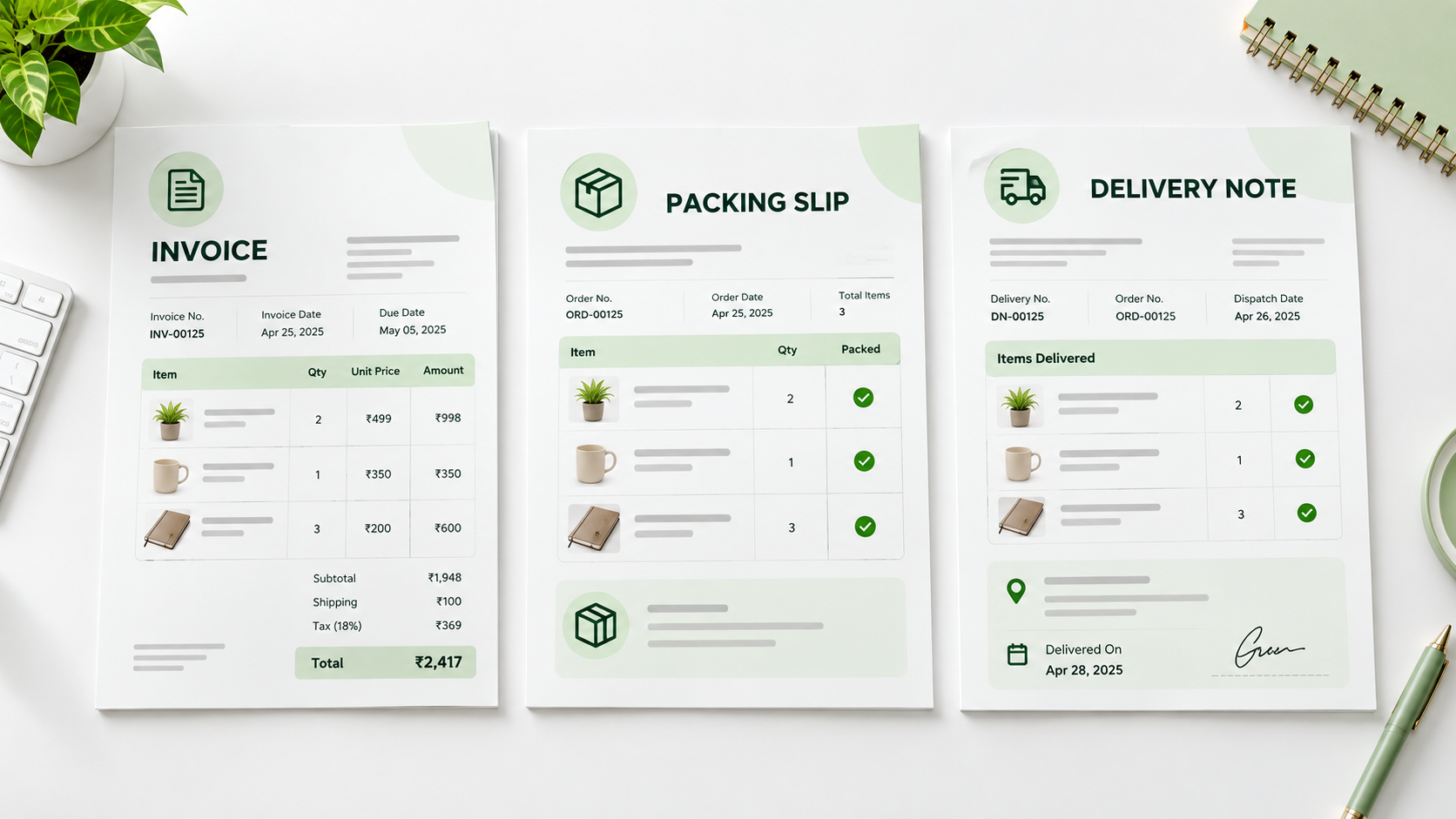
Packing Slip vs Invoice vs Delivery Note: What's the Difference?
Learn the difference between a packing slip, invoice, and delivery note, what each document is used for, what to include, and when you need them.