Hourly vs. Project-Based Billing for Freelancers: Which to Choose and How to Invoice in 2026
Hourly vs. Project-Based Billing for Freelancers
Choosing how to charge clients is an important part of freelance work. Some freelancers charge for every hour they work, while others agree on a fixed price for the whole project. Both methods have their benefits, but the right choice depends on the type of work, project size, and client needs. In this guide, we’ll compare hourly vs. project-based billing, explain when to use each method, and show you how to invoice clients in 2026.
What Is Hourly Billing?
Create Professional Invoices in Minutes
Generate clean, accurate invoices instantly with our free online invoice generator. No signup required. Fast, simple, and professional.
Hourly billing for freelancers means charging clients for the time spent working on a task or project. You set an hourly rate, track your working hours, and charge the client based on the total time worked.
For example, if your hourly rate is $40 and you work for 10 hours, your service cost is $400 before any applicable taxes or extra charges.
Hourly billing works well when the amount of work is not clear from the start. It can suit consultants, developers fixing issues, and freelancers who provide ongoing support.
However, you need to keep a clear record of your hours so the client understands what they are paying for. Before starting, agree on your hourly rate, how you will track time, and when you will send the invoice. This helps avoid confusion when payment is due.
What Is Project-Based Billing?
Project-based billing for freelancers means agreeing on one price for a complete project instead of charging for every hour worked. The client knows the expected cost before the work begins, and you know how much you will earn if you complete the agreed work.
For example, a freelance designer may charge $800 to design a website. The price covers the work listed in the agreement, even if the designer finishes it in fewer hours than expected.
This method works well when the project goals, tasks, and final results are clear. It is common for website design, logo creation, blog writing, and other jobs with agreed deliverables.
Before setting a project rate, estimate the time, effort, and costs involved. Also, explain what the price includes, how many revisions are allowed, and what happens if the client asks for extra work.
The main benefit of project-based billing is that clients know the price in advance. However, if the work takes longer than expected, you may earn less for your time. A clear agreement helps prevent this problem.
Hourly vs. Project-Based Billing: Key Differences
The main difference between hourly and project-based billing is how you charge for your work. With hourly billing, the final cost depends on the time you spend. With project-based billing, you agree on a price for the full project before starting.
Here is a quick comparison to help you choose between hourly vs. fixed-price billing.
Feature : Pricing
Hourly Billing : Based on hours worked
Project-Based Billing: One agreed project price
Feature : Client budget
Hourly Billing : Final cost may change
Project-Based Billing: Cost is known in advance
Feature : Time tracking
Hourly Billing : Needed to record hours
Project-Based Billing: Useful for planning, but not always needed for billing
Feature : Best for
Hourly Billing : Ongoing work or changing tasks
Project-Based Billing: Projects with clear goals
Feature : Extra work
Hourly Billing : Can be charged for extra hours
Project-Based Billing: May need a new price agreement
Feature : Main risk
Hourly Billing : Clients may worry about rising costs
Project-Based Billing: One agreed project price
Both freelance billing methods have benefits. Hourly billing helps you charge for the time you spend, especially when tasks change often. Project-based pricing gives clients a clear cost and lets you earn more per hour when you complete work efficiently.
Neither method is always better. The right choice depends on how clearly you can define the work, how much it may change, and what you and your client agree on before starting.
Which Billing Method Should Freelancers Choose?
Choosing between hourly and project-based billing depends on the work you do and how clearly you can plan it.
Choose hourly billing when:
The work changes often or the tasks are not clear at the start.You provide regular support or consulting.You need to charge for the actual time spent on each task.
Choose project-based billing when:
The client knows what they want you to deliver.You can estimate the time and effort needed.You can agree on the price, deadline, and number of revisions before starting.
For example, a developer fixing different website issues may prefer hourly billing because the time needed can change. A designer creating a logo may choose a fixed project price if the work and number of revisions are agreed in advance.
You can also use both freelance billing methods with different clients or types of work. The key is to explain your pricing clearly before starting and put the agreed terms in writing. This helps you manage your time, set fair prices, and avoid payment disputes.
How to Invoice Hourly and Project-Based Work ?
Once you agree on your pricing method, the next step is to send a clear invoice. The details you include will depend on whether you charge by the hour or by the project.
How to Invoice Hourly Work?
For hourly billing, your invoice should show the work period, hours worked, hourly rate, and total cost.
For example:
Hours worked: 10
Hourly rate: $40
Subtotal: $400
Applicable taxes: Added if required
Total due: $400 plus any applicable taxes
You can also add a short description of the tasks completed so your client understands the charge.
How to Invoice Project-Based Work
For project-based billing, include the project name, a short description of the agreed work, the fixed price, and the payment due date.
For example, if you charge $800 for a website design project, your invoice should show the agreed fee and any applicable taxes. If you have agreed to milestone payments, you can invoice each stage separately according to your agreement.
What Should Every Freelance Invoice Include?
Whether you charge hourly or per project, include your business and client details, invoice number, invoice date, description of the work, amount due, payment terms, and any required tax details.
Clear invoices help clients understand what they are paying for and make it easier to keep payment records. Always check that the invoice matches the pricing and payment terms you agreed on before starting the work.
Create Freelance Invoices With Invoice Desire
After choosing your billing method, you need a simple way to prepare invoices for your clients. Invoice Desire offers a free online invoice generator that freelancers can use directly in their browser without creating an account.
Whether you charge by the hour or set a fixed project price, you can add your work details, rates, quantities, and applicable taxes to prepare an invoice. Check the total amount and payment details, then download your invoice as a PDF to share with your client.
For hourly work, list the hours worked and your hourly rate. For project-based work, describe the agreed project and include the fixed fee or milestone amount being charged.
Using a clear invoice helps clients understand the charges and gives you a record of the work billed. Try the Invoice Desire free invoice generator to create your next freelance invoice.
FAQs About Freelance Billing
Is hourly or project-based billing better for freelancers?
Neither method is best for every freelancer. Hourly billing can work well for ongoing tasks or work that may change. Project-based billing is often a good choice when the tasks, price, and final result are clear before work begins.
Can freelancers use both billing methods?
Yes. Freelancers can charge hourly for ongoing support and use fixed prices for projects with clear goals. Choose the method that fits each job and explain the price to your client before starting.
What should a freelance invoice include?
A freelance invoice should usually include your business details, client details, invoice number, invoice date, work description, amount due, and payment terms. Add hours and hourly rates for hourly work, or the agreed project fee for fixed-price work. Include any required tax details.
Conclusion
Choosing between hourly and project-based billing comes down to the type of work you do and how well you can plan it. Hourly billing suits work that may change, while project-based pricing works well when the tasks and final result are clear.
Whichever method you choose, agree on the price and payment terms before starting. Send clear invoices so clients understand what they are paying for. With Invoice Desire, you can create freelance invoices online and download them as PDFs, making it easier to manage your billing.
Found this helpful?
Share it with a fellow freelancer or business owner.
Keep reading

Freelance Checklist: 5 Things to Do Before You Send Your First Bill
Landing your first client is a win, but getting paid is the real goal. Follow this checklist to ensure your first billing cycle is seamless.

Best Billing Software for Small Business (2026 Comparison Guide)
Discover the best billing software for small business in 2026. Compare top tools, features, and pricing to find the right solution for faster invoicing and better payment management.
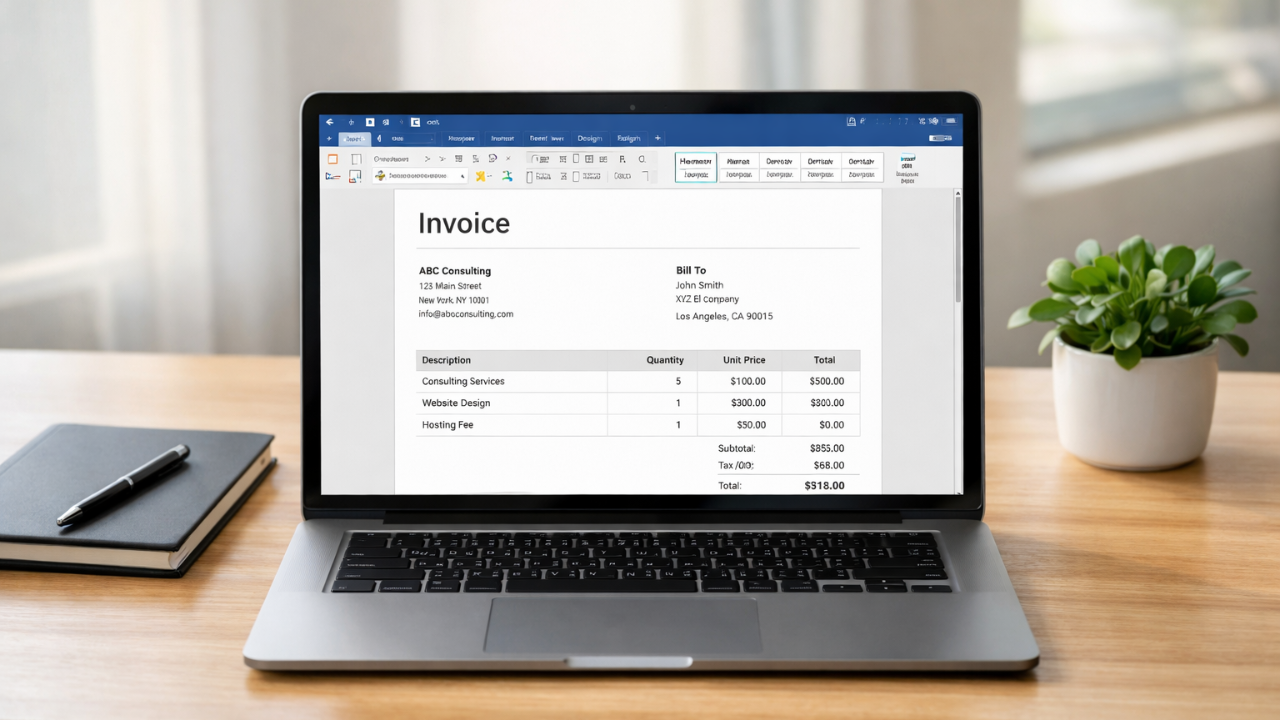
Simple Invoice Format in Word (Free Template for Small Businesses)
Learn how to create a simple invoice format in Word with easy examples, essential invoice elements, and step-by-step guidance.

Can ChatGPT Create Invoices? Pros, Risks & Accuracy Explained
Can ChatGPT create invoices? Learn the benefits, risks, accuracy, and limitations of using AI for invoicing.
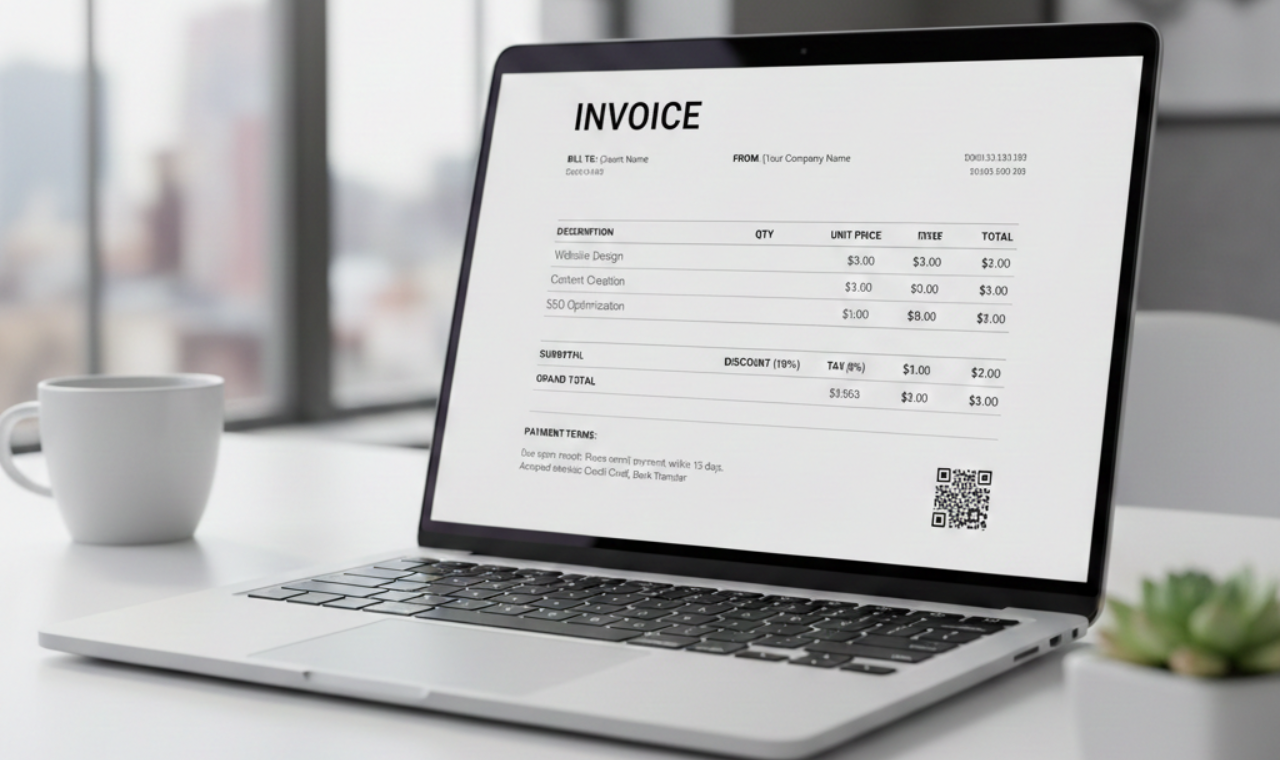
How to Create a Professional Invoice Your Clients Will Pay Faster (Step-by-Step Guide)
Creating a professional, well-structured invoice with clear pricing and payment terms helps you build trust, reduce delays, and get paid faster while maintaining a strong business image.

10 Reasons Clients Don't Pay Invoices (And How to Fix Them)
Why Your Client Is Not Paying Your Invoice | 10 Real Reasons