How to Charge Late Payment Fees as a Freelancer in 2026 (With Country-by-Country Rules)
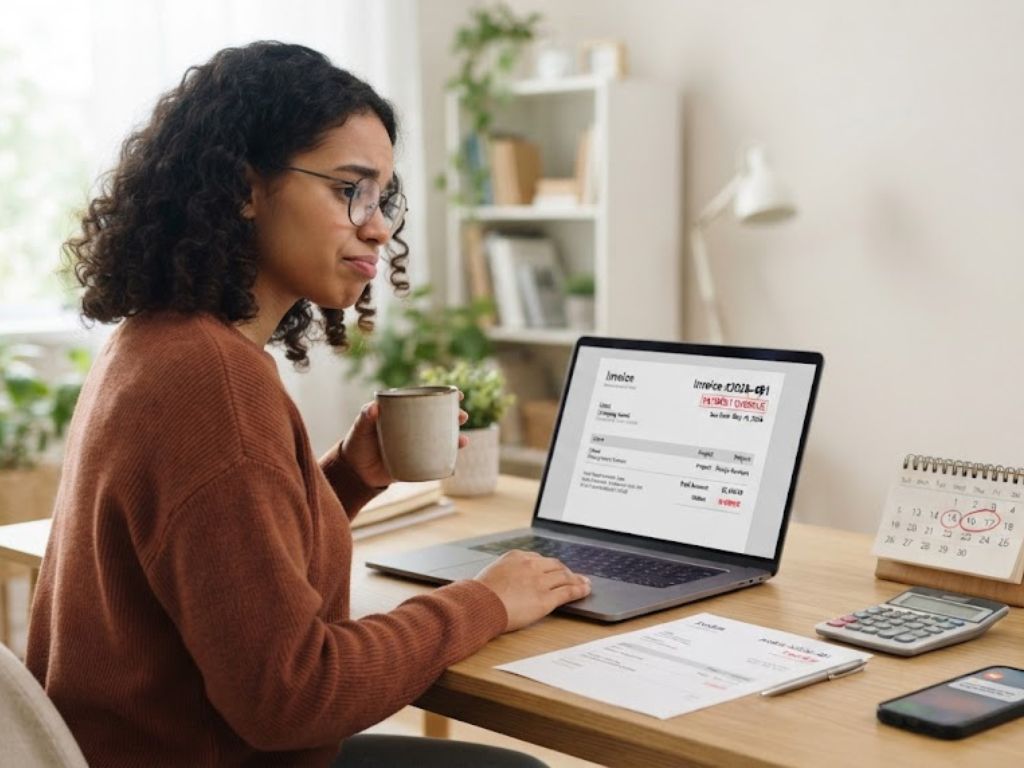
What Happens When a Client Pays Late?
Getting paid late is one of the most frustrating parts of freelancing. You've finished the work, sent the invoice, and now you're waiting for money that should already be in your account.
A late payment can also affect your own bills and cash flow. That's why it's smart to agree on payment terms before you start the project. Your client should know when the payment is due and what happens if they miss the deadline.
This is where late payment fees for freelancers can help. A clear late fee gives clients a reason to pay on time and gives you some protection when a payment runs late.
But don't just add a random fee after the due date. The fee should be clearly mentioned in your contract or payment terms, and it needs to follow the rules that apply in your country.
In this guide, we'll look at how late payment fees freelancers can use, how much you might charge, and what the rules look like in different countries.
Can Freelancers Charge a Late Payment Fee?
Yes, freelancers can often charge a late payment fee, but you shouldn't assume you can add any amount you want. The safest approach is to agree on the fee with your client before the work starts.
Put the payment terms in your contract or written agreement. Clearly say when the invoice is due, what happens if the client pays late, and how the fee will be worked out.
For example, you might write:
“Payment is due within 15 days of the invoice date. Late payments may be charged a fee of 1% per month on the unpaid amount, where allowed by law.”
The client should be able to see these terms before agreeing to the project. Don't surprise them with a new charge after the invoice becomes overdue.
Rules can also be different depending on where you and your client are located, and whether the client is a business or a consumer. So before adding late payment fees for freelancers, check the rules that apply to your situation.
A clear agreement is always better than an argument later.
How Much Should a Freelancer Charge for Late Payment?
There's no single late fee that works for every freelancer or every country. The amount should be reasonable, clearly agreed with the client, and allowed under the rules that apply to your work.
There are three common ways freelancers set a late payment charge.
1. Percentage of the Unpaid Invoice
You can agree on a small percentage of the overdue amount.
For example, if your invoice is $1,000 and your agreed late fee is 2%, the fee would be $20.
2. Monthly Interest
Some freelancers use a monthly interest rate instead. For example, you might agree on 1% per month on the unpaid amount.
Make sure your contract clearly explains how the interest is calculated.
3. Fixed Late Fee
You can also agree on a fixed amount, such as $25, when an invoice becomes overdue.
The important thing isn't choosing the biggest fee. It's making the freelancer late payment fee clear from the beginning and checking that it follows local rules.
A small, fair fee that's clearly agreed is much better than a large charge that catches your client off guard.
Country-by-Country Late Payment Rules
This is where things get a little more important. You can't simply copy a late payment rule from another country and use it for your own freelance work. The rules can depend on where you work, where your client is based, the type of client, and what you agreed in your contract.
Here's a simple overview of some common freelance markets.
United States
In the US, late payment fees are often based on the agreement between you and your client. Your contract should clearly state the payment deadline and any interest or late fee you plan to charge.
State laws can also affect the amount you can charge. Some states have limits on interest, so don't assume that a rate used by another freelancer will automatically be allowed where you live.
Ready to make your next invoice?
Create a professional invoice with Invoice Desire and keep your freelance payments organized.
United Kingdom
The UK has specific rules for late payments between businesses. Under the Late Payment of Commercial Debts rules, eligible businesses may be able to charge statutory interest and claim certain recovery costs when another business pays late.
This is different from simply adding your own late fee. Your contract may also set its own payment terms, so check which rules apply before charging a client.
Australia
In Australia, your contract is very important when setting late payment terms. If you've agreed that overdue invoices may attract interest or a late fee, the client should know about it before agreeing to the work.
Don't assume that any fee is automatically allowed. Australian contract and consumer rules can affect what you can charge, especially when dealing with consumers rather than businesses.
Canada
Canada doesn't have one simple late payment rule that covers every freelancer and every situation. Contract terms and provincial rules can matter, so the rate you can charge may depend on where the agreement applies.
If you're working with Canadian clients, write your payment terms clearly and check the rules in the relevant province before adding interest or a late fee.
India
In India, your contract or written payment terms are important when dealing with late payments. Some businesses may also have special rights under laws covering eligible micro and small enterprises.
If you qualify under those rules, the interest that can apply to delayed payments may be different from a normal late fee written into a freelance contract.
If you're unsure whether those rules apply to you, check your business status and the current rules before sending a late payment charge.
The main point is simple: don't choose a late fee just because you saw another freelancer using it. Check your contract and the rules that apply to your country and type of client. If you're dealing with a large amount of money or a serious payment dispute, getting advice from a local professional is the safer choice.
What Should You Write in Your Freelance Contract?
A late payment clause doesn't need to sound complicated. In fact, it should be easy enough for your client to read and understand without calling you to explain it.
At a minimum, clearly mention the payment deadline, the late fee or interest rate, and when the charge starts.
For example:
“Invoices are due within 15 days of the invoice date. Payments made after the due date may be charged 1% interest per month on the unpaid amount, where permitted by applicable law.”
You can also mention whether there's a grace period. For example, you might give the client an extra three or five days before the late charge starts.
If you use late payment fees for freelancers, don't hide the terms in tiny text or mention them only after the client has received the invoice. Put them in your contract, proposal, or agreed payment terms before starting the work.
Also, make sure the clause matches the laws that apply to your situation. A simple, clear agreement is far better than a complicated paragraph that nobody actually reads.
How to Add a Late Payment Fee to an Invoice
Once an invoice becomes overdue, don't immediately send a confusing bill with a new total. First, check the payment terms you agreed with the client.
Here's a simple way to handle it:
1. Check the Due Date
Look at the original invoice and confirm that the payment is actually overdue.
2. Check Your Agreement
Make sure your contract or payment terms allow you to charge a late fee or interest.
3. Calculate the Fee
Work out the amount based on the rate or fixed fee you agreed with the client. Double-check your maths before sending anything.
4. Show the Fee Separately
Don't quietly add the charge to the original amount. Add it as a separate line, such as “Late Payment Fee” or “Late Payment Interest.”
5. Mention the Original Invoice
Include the original invoice number so your client knows exactly which payment is overdue.
6. Send a Polite Reminder
Keep your message calm and professional. You don't need to sound angry just because the payment is late.
Using freelancer late payment fees this way keeps the extra charge clear and gives your client a simple record of what they need to pay.
Example of a Late Payment Calculation
Let's keep the maths simple. Suppose you've sent a $1,000 invoice and your agreed late payment rate is 2%.
The calculation would look like this:
Original invoice: $1,000Agreed late fee: 2%Late fee: $20New amount due: $1,020
So, if the client pays after the agreed deadline, you'd ask for the original $1,000 plus the $20 late fee.
If you're charging monthly interest, the calculation may work differently, especially if the payment stays overdue for several months. That's why your contract should clearly explain how the fee is calculated.
Don't add a fee just because you can. Before using late payment interest for freelancers, check that the rate was agreed with your client and is allowed under the rules that apply to your situation.
A clear calculation also makes your invoice easier to understand. Your client can see exactly where the extra amount came from instead of wondering why the total suddenly changed.
How to Ask a Client for Late Payment
Asking for overdue money can feel awkward, especially when you have a good relationship with the client. But you don't need to sound rude or angry. You're simply asking for payment for work you've already completed.
Start with a friendly reminder if the invoice has only recently become overdue.
Friendly reminder:
Hi [Client Name], just a quick reminder that invoice #[Invoice Number] was due on [Date]. Could you please let me know when I can expect the payment? Thanks!
If the client doesn't respond, you can be a little more direct.
Second reminder:
Hi [Client Name], I'm following up on invoice #[Invoice Number], which is still outstanding. Please arrange payment by [Date]. The invoice is now overdue, and any agreed late payment charge will apply.
For a final reminder, keep it short and clear. Mention the outstanding amount, the original due date, and what you expect the client to do next.
If your contract includes late payment fees for freelancers, mention the fee clearly rather than adding it without explanation.
Keep copies of your emails, invoices, and messages. If the payment turns into a bigger problem later, having a clear record will help.
What If the Client Still Doesn't Pay?
Sometimes a client won't pay even after several reminders. At that point, sending the same email again and again probably won't help. You need to take the next step.
First, send a clear written notice with the invoice number, unpaid amount, original due date, and a final date for payment. Keep your message polite, but be firm.
If the client still doesn't pay, check your contract. You may have the right to stop further work until the outstanding invoice is paid. Don't keep taking on new work for someone who hasn't paid for the work you've already finished.
Keep everything related to the job — your contract, invoices, emails, messages, and proof that the work was delivered. These records can become important if the payment dispute gets more serious.
You may also consider mediation, a formal demand for payment, or a small-claims or court process where available. The right option depends on your country and the amount involved.
And remember, late payment fees for freelancers are only one part of getting paid. Clear contracts, payment deadlines, and good records can prevent many payment problems before they start.
How Invoice Desire Can Help Freelancers Stay on Top of Payments
Chasing payments isn't the fun part of freelancing, but keeping your invoices clear can make things much easier. That's where Invoice Desire can help.
You can create a professional invoice, add the client's details, set the payment due date, and clearly show the amount they need to pay. A clean invoice makes it much harder for a client to say they didn't understand what they were being charged for.
You can also download your invoice as a PDF and keep a copy for your records. That's useful when you're managing several clients and don't want to dig through old emails to find an invoice.
If you use late payment fees for freelancers, your payment terms should be clear from the start. Create the invoice, include your terms, and give your client everything they need to pay on time.
Quick Late Payment Checklist
Before you start charging a client for an overdue invoice, run through this quick checklist. It only takes a minute, but it can save you a lot of trouble later.
Payment terms are written down: Your client knows when the invoice is due.Late fee is mentioned: Don't introduce a new charge after the payment is already late.The fee is reasonable: Use an amount or rate that you've agreed with the client.The fee follows local rules: Check the rules that apply to you and your client.The original invoice is clear: Include the invoice number and unpaid amount.The calculation is correct: Double-check the late fee before sending it.You've sent a reminder: Give the client a chance to pay before taking further steps.You've kept your records: Save the contract, invoice, emails, and payment reminders.
A good freelancer late payment fee process shouldn't feel complicated. The key is to agree on the terms early, keep your invoices clear, and stay professional when a payment is late.
Frequently Asked Questions About Freelancer Late Payment Fees
Can a freelancer charge a late payment fee?
In many cases, yes, but it depends on the contract and the laws that apply to the work. It's best to agree on the fee before starting the project and include it in your payment terms.
How much can a freelancer charge for late payment?
There's no single rate that works everywhere. Some freelancers use a small percentage, monthly interest, or a fixed fee. Before choosing a rate, check your local rules and make sure the client has agreed to it.
Can I charge interest on an overdue freelance invoice?
You may be able to charge interest if your contract allows it or if local law gives you that right. Don't assume a rate is allowed just because another freelancer uses it.
When can I add a late fee to an invoice?
Usually, you can only charge the fee once the invoice has passed its due date and the fee was properly agreed beforehand. Check your contract and local rules first.
How do I politely ask a client for overdue payment?
Keep your message short and friendly. Mention the invoice number, amount, and due date, then ask when you can expect payment. If the invoice is already seriously overdue, you can make the message more direct.
Can I stop working for a client who hasn't paid?
Depending on your contract and local rules, you may be able to pause further work until outstanding invoices are paid. It's better to check your agreement before doing so.
Should I put late payment terms on my invoice?
Yes. Even if they're already in your contract, showing the payment terms on the invoice makes them easy for the client to see. It also helps avoid confusion about the due date and any agreed late payment fees for freelancers.
What should I do if a client refuses to pay?
Start by checking your contract and sending a clear written payment request. Keep all records of the work and communication. If the client still refuses to pay, you can look into options such as mediation, a formal payment demand, or a legal claim, depending on your country.
Conclusion
Late payments are frustrating, especially when you've already finished the work and delivered everything the client asked for. The best way to deal with them is to set clear payment terms before the project starts.
If you want to charge late payment fees as a freelancer, tell your client about the fee in advance, put it in your agreement, and make sure it follows the rules in your country. Don't wait until an invoice is overdue to introduce new terms.
Keep your invoices clear, send reminders on time, and keep records of your agreements and payments. These simple habits can save you a lot of stress.
Found this helpful?
Share it with a fellow freelancer or business owner.
Keep reading
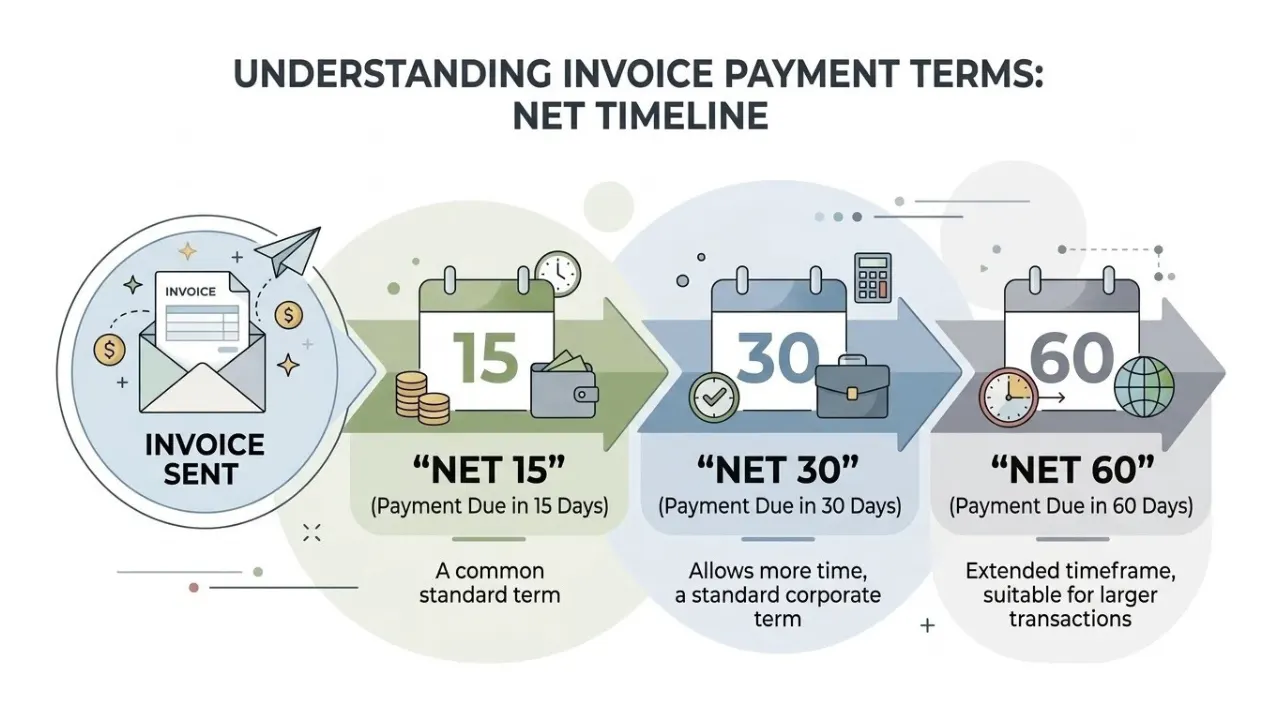
Invoice Payment Terms Explained: A Simple Guide for Freelancers and Businesses
Understanding invoice payment terms helps businesses and freelancers manage payments smoothly. Clear payment terms tell clients when and how to pay, which reduces confusion and delays. This guide explains common invoice payment terms and how to use them professionally.

Accepting Online Payments: Best Methods for Faster Invoicing in 2026
Accepting online payments with clear instructions, multiple options, and secure methods helps you reduce delays, improve cash flow, and get paid faster on every invoice.

Recurring Invoices and Retainer Billing for Freelancers: A Complete 2026 Guide
For freelancers chasing stable, predictable income, retainer agreements are the gold standard — and the recurring invoice is the tool that makes them work. Instead of starting each month hunting new projects, retainer clients provide guaranteed work and guaranteed pay. But billing for a retainer cor

10 Reasons Clients Don't Pay Invoices (And How to Fix Them)
Why Your Client Is Not Paying Your Invoice | 10 Real Reasons
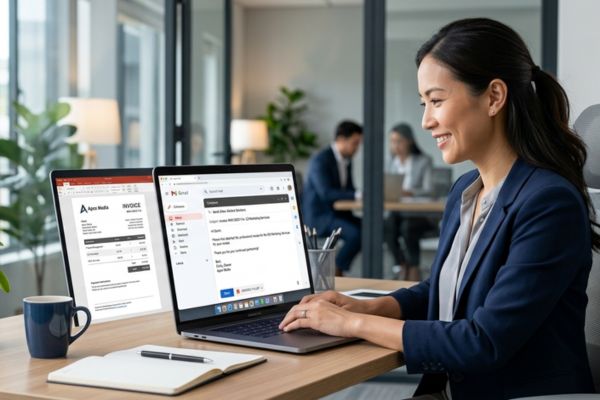
How to Write an Invoice Email Professionally (With Examples)
A professional invoice email helps you get paid faster and creates a good impression on clients. In this guide, learn how to write invoice emails, what to include, subject line examples, common mistakes to avoid, and ready-to-use invoice email templates for freelancers and businesses.

Payment Reminder Message: How to Ask for Payment Politely (With Examples)
Requesting payment from a client is not always easy. Even when the payment is over due, numerous freelancers and small company owners find it uncomfortable to send out a reminder. You may be concerned about coming out as impolite or ruining your connection with the client. In reality, however, timely payment is a critical component of managing a company.