France E-Invoicing Mandate September 2026: What Every Freelancer Must Do Now

What Is France's E-Invoicing Mandate?
France is changing the way businesses send and receive invoices. Under the new system, businesses will gradually move from regular invoices, such as PDFs sent by email, to electronic invoices that use a set digital format and pass through approved systems.
The France e-invoicing mandate September 2026 rollout has now started. From September 1, 2026, businesses covered by the French VAT rules must be able to receive electronic invoices. The deadline for sending e-invoices depends on the size and type of the business.
Create Professional Invoices in Minutes
Generate clean, accurate invoices instantly with our free online invoice generator. No signup required. Fast, simple, and professional.
For freelancers and micro-businesses, the important date for sending e-invoices is generally September 1, 2027. However, they need to be ready to receive e-invoices from September 2026.
Why Is France Introducing E-Invoicing?
The main goal is to make business invoices easier to exchange and report.
Instead of a business simply creating a PDF and emailing it to another business, the new system allows invoice information to move through approved digital platforms.
This can help businesses:
Send and receive invoices in a standard digital formatReduce manual invoice entryKeep better invoice recordsMake invoice processing fasterGive the French tax administration more accurate transaction information
Is This Just About PDF Invoices?
No.
A PDF invoice sent by email is still a digital document, but it is not the same as a French e-invoice under the new system.
A proper e-invoice contains structured invoice data that can be read and processed by the systems involved.
So, if a freelancer currently creates an invoice as a PDF and emails it to a French business, they should not assume that this process will meet the new e-invoicing rules when their issuing deadline arrives.
What Does This Mean for a Freelancer?
If you are a French freelancer or micro-business, you do not necessarily have to change everything today.
Your first step is to understand when you need to start issuing e-invoices and how you will receive them.
For most small businesses and micro-businesses, the key dates are:
September 1, 2026: Be ready to receive e-invoices.
September 1, 2027: Start issuing e-invoices under the new rules.
This gives smaller businesses time to choose the right invoicing or approved platform and prepare their workflow.
The important thing is not to wait until the final deadline. If you set up your system early, you have time to test it, update your client details, and fix problems before e-invoicing becomes part of your normal work.
What Changed in France on September 1, 2026?
September 1, 2026, is the first major date in France's new e-invoicing system. From this date, businesses covered by the reform must be able to receive electronic invoices.
However, not every business has to start sending e-invoices on the same day.
The French government has set different dates based on the size of the business.
Receiving E-Invoices Starts First
From September 1, 2026, businesses covered by French VAT rules must have a way to receive electronic invoices from their suppliers and other businesses.
This means a freelancer may receive an e-invoice through an approved platform instead of simply getting a PDF by email.
So even if you are a small freelancer who does not have to issue e-invoices until 2027, you should prepare your receiving process now.
Who Has to Start Sending E-Invoices in 2026?
The first issuing deadline applies to:
Large companiesMid-sized companies
These businesses must start issuing electronic invoices from September 1, 2026.
Smaller businesses, including many freelancers and micro-businesses, have more time. Their issuing deadline is generally September 1, 2027.
This difference is important because the words "mandatory e-invoicing from September 2026" do not mean that every freelancer must immediately stop sending their current invoices.
What Should Freelancers Do Now?
If you are a freelancer or micro-business, use 2026 as your preparation period.
Start by checking:
Whether you are covered by the French VAT rulesWhen your business must start issuing e-invoicesHow you will receive e-invoicesWhether your current invoicing software can work with the new systemWhich approved platform you may needWhether your client and business details are up to date
You do not need to wait until September 2027 to learn how the system works.
Why September 2026 Still Matters to Small Businesses
Even if you have another year before you must issue e-invoices, the reform has already started.
Your suppliers may begin using the new system. You may need to receive their invoices electronically, and your invoicing process will eventually need to support electronic invoices when your own issuing deadline arrives.
Preparing early also gives you time to choose a suitable solution instead of making a rushed change just before the deadline.
For freelancers, the main takeaway from the France e-invoicing mandate September 2026 is simple: you may not need to issue e-invoices yet, but you should already be ready to receive them and start preparing for 2027.
Does France E-Invoicing Apply to Freelancers?
Yes, France e-invoicing 2026 can apply to freelancers, but the exact rules depend on your business and tax situation.
The reform covers businesses that are subject to French VAT rules. This can include freelancers, sole traders, and micro-businesses.
The important point is that being a freelancer does not automatically mean you have to start sending e-invoices in September 2026.
For many small businesses, the deadline for issuing e-invoices is September 1, 2027.
What About Micro-Entrepreneurs?
Many French freelancers operate as micro-entrepreneurs.
If you are a micro-entrepreneur covered by the reform, you generally have:
September 1, 2026: deadline to be able to receive e-invoicesSeptember 1, 2027: deadline to start issuing e-invoices
So a freelancer may still be sending invoices in their existing way during 2026 while preparing for the new system.
What If You Are Not Charging VAT?
This is where you need to check your own situation carefully.
Being a freelancer does not by itself tell you whether the e-invoicing rules apply. Your VAT status and the type of transactions you make matter.
If you benefit from a VAT exemption or another special VAT arrangement, do not assume that you are completely outside the reform.
Check your exact status and the rules that apply to your business.
French Clients and Foreign Clients Can Be Different
The type and location of your client can also matter.
For example, you may have:
A French business clientA private customer in FranceA business client in GermanyA business client in the United States
These transactions may not all follow the same invoicing or reporting process.
This is especially important for freelancers who work with clients around the world.
What Should Freelancers Do Now?
You do not need to panic or completely change your invoicing process overnight.
Instead, use 2026 to prepare.
Start by checking your VAT status, understanding your deadline, and finding out how you will receive electronic invoices.
Then check whether your current invoicing software can work with the French system or whether you will need an approved platform.
The key point is simple: freelancers are not automatically exempt from France's e-invoicing rules just because they are small businesses. If the reform applies to you, prepare early so the move to electronic invoicing in 2027 is straightforward.
France E-Invoicing Deadlines: 2026 vs 2027
France is introducing e-invoicing in stages, so the deadline is not the same for every business.
For freelancers and small businesses, the most important thing is to understand the difference between receiving an e-invoice and issuing one.
Date: September 1, 2026
Who? : Businesses covered by the reform
What changes? : Must be able to receive e-invoices
Date: September 1, 2026
Who? : Large and mid-sized companies
What changes? : Must start issuing e-invoices
Date: September 1, 2027
Who? : Small and micro-businesses
What changes? : Must start issuing e-invoices
September 1, 2026: Receiving Starts
The first major deadline is already here.
From September 1, 2026, businesses covered by the French VAT rules need to be able to receive electronic invoices.
This means you should not wait until 2027 to think about e-invoicing. Your suppliers may already be sending invoices through the new system.
September 1, 2027: Small Businesses Start Issuing
For many freelancers, micro-businesses, and small businesses, the important date is September 1, 2027.
This is when they must start issuing electronic invoices under the new system.
If you currently create a PDF invoice and send it by email, you have time to prepare for this change, but that PDF process will not be enough for transactions that must use the new e-invoicing system once your issuing obligation begins.
Why Should You Prepare in 2026?
Waiting until August 2027 could make the change more stressful than it needs to be.
Use the time now to:
Check your VAT statusUnderstand which deadline applies to youChoose a suitable approved platformCheck your invoicing softwarePrepare your customer informationLearn how to receive e-invoicesUnderstand the rules for your French and foreign clients
Early preparation also gives you time to test your process before you have to use it for every required invoice.
Do Not Confuse Receiving With Sending
This is the most important point to remember.
Receiving: September 1, 2026 for businesses covered by the reform.
Issuing: September 1, 2026 for large and mid-sized businesses, and September 1, 2027 for small and micro-businesses.
So if you are a small freelancer, the France e-invoicing deadline for issuing invoices may still be a year away, but your ability to receive electronic invoices is already relevant.
The safest approach is to prepare now rather than treating September 2027 as the date when you first need to think about the change.
What Is an Electronic Invoice in France?
A French e-invoice is more than an invoice that you create on a computer or save as a PDF.
Under the new French system, an e-invoice contains structured invoice information that can be sent and processed through the approved electronic invoicing system.
This allows invoice data to move between the seller, buyer, and the relevant systems without someone having to manually enter all the information again.
Is a PDF Invoice an E-Invoice?
No, not by itself.
A PDF invoice is simply a digital copy of an invoice. You can create it with Word, Excel, or invoicing software and send it by email.
A French e-invoice follows the required electronic format and is sent through the system required by the French rules.
For example:
PDF process: Create invoice → Save as PDF → Email to client
E-invoicing process: Create structured invoice → Send through the approved platform → Client receives it through the electronic system
This difference is important for freelancers who currently send every invoice as a PDF attachment.
What Information Does an E-Invoice Carry?
The invoice still contains the basic information you would expect, such as:
Seller detailsCustomer detailsInvoice numberInvoice dateDescription of the serviceAmountVAT information where applicablePayment information
France is also adding new required invoice information as part of the reform.
Your invoicing software or approved platform should help place the information in the correct electronic fields.
Why Is France Moving to This System?
The new system is designed to make business invoicing more consistent and easier to process.
For businesses, this can reduce the need to:
Manually enter invoice informationSend invoices in different formatsSearch through large numbers of email attachmentsRe-enter supplier invoice data into accounting systems
It also gives the French tax administration better information about business transactions.
What Does This Mean for Freelancers?
If you currently create invoices manually, you do not necessarily need to become a technical expert.
The important thing is to use a solution that can create invoices in the format required by the French system and work with an approved platform when your e-invoicing obligation begins.
For a small freelancer, the process should ideally feel similar to creating a normal invoice:
Add client → Add service → Add amount → Check tax details → Send
The technical work should be handled by the software and platform behind the process.
The main thing freelancers need to understand is that a French electronic invoice is not simply a PDF with a different name. Once the issuing requirement applies to your business, you will need to follow the required electronic process.
What Is a PDP / Approved E-Invoicing Platform?
A PDP (Plateforme de Dématérialisation Partenaire) is an approved e-invoicing platform used to send and receive French electronic invoices.
For the France e-invoicing mandate September 2026, the platform is an important part of the new system. Businesses that are covered by the reform will use an approved platform to handle their e-invoices and, where required, transaction reporting.
What does a PDP do?
A PDP can help a business:
Send compliant electronic invoicesReceive e-invoices from other businessesExchange invoice data in the required formatSend required transaction information to the French tax administrationConnect with accounting or invoicing software
The main point is that a French e-invoice is not simply a PDF sent by email. The invoice needs to move through the required electronic system in a recognized format.
Do freelancers need a PDP?
If you are a freelancer or micro-business covered by the French e-invoicing rules, you should choose a solution that can work with the French approved platform system.
For smaller businesses, the obligation to issue e-invoices generally starts on September 1, 2027. However, businesses covered by the reform already need to be able to receive e-invoices from September 1, 2026.
This means you do not necessarily need to completely change your invoicing process on September 1, 2026, but you should start checking your options now.
What should you look for?
Before choosing an invoicing or accounting solution, check whether it:
Works with an approved French e-invoicing platformSupports the invoice information required in FranceCan receive electronic invoicesHandles e-reporting when it applies to your businessWorks with your accounting software, if you use oneClearly explains which features are available for freelancers and micro-businesses
You do not need to understand the technical side of the system. The important thing is to use a solution that can meet the French rules when your issuing deadline arrives.
One important point
Not every invoice-making tool is automatically a French approved e-invoicing platform.
You can continue using a simple invoice generator for creating invoices when that is still allowed, but when your business becomes subject to mandatory French e-invoicing, your process must connect with the required approved platform system.
So, instead of waiting until September 2027, use 2026 to check what your invoicing software and platform will need to do.
What Should Freelancers Do Right Now?
If you are a freelancer or micro-business in France, you do not need to panic about the new rules. The best approach is to prepare step by step.
For many small businesses, the deadline to issue French e-invoices is September 1, 2027. But the ability to receive e-invoices starts from September 1, 2026.
Here is what you can do now.
1. Check your business status
First, check whether your business is covered by the French e-invoicing reform. Your VAT situation, business size, and type of customers can affect which rules apply to you.
Do not assume that being a freelancer automatically means you have the same deadline as a large company.
2. Check your current invoicing software
Look at the tool you currently use to create invoices.
Ask:
Can it support French invoice requirements?
Can it work with an approved e-invoicing platform?
Can it handle structured electronic invoices?
Can it support e-reporting if this applies to you?
Will it be ready before your 2027 issuing deadline?
If the answer is unclear, contact the software provider and ask specifically about the French e-invoicing reform.
3. Choose your approved platform
Businesses subject to the reform need an approved platform for the electronic exchange of invoices and, where applicable, transaction reporting.
Do not wait until the last few weeks before September 2027 to choose one. Giving yourself time to test the system can prevent problems later.
4. Check your client information
Start keeping your customer details in an organized way.
Depending on the invoice and transaction, the new French invoice rules introduce additional information such as the customer's SIREN and the delivery address when it differs from the billing address.
Having correct customer information now will make the move to electronic invoicing easier.
5. Keep your normal invoicing process organized
You can continue creating your invoices using your current workflow when the rules still allow it. But keep your invoice numbers, customer details, dates, amounts, VAT information, and payment details accurate.
A clean invoice process today will make the switch easier later.
6. Do not wait for September 2027
The biggest mistake is treating 2027 as if there is nothing to do before then.
September 2026 is already an important date because businesses covered by the reform need to be able to receive e-invoices. Use this period to understand the rules, compare platforms, check your software, and prepare your customer data.
In short: you do not need to change everything overnight. Start with your business status, software, approved platform, and customer information. By the time your issuing deadline arrives, the new process should feel like a normal part of your invoicing routine.
8. What Should Freelancers Do Right Now?
If you are a freelancer or micro-business in France, you do not need to panic about the new rules. The best approach is to prepare step by step.
For many small businesses, the deadline to issue French e-invoices is September 1, 2027. But the ability to receive e-invoices starts from September 1, 2026.
Here is what you can do now.
1. Check your business status
First, check whether your business is covered by the French e-invoicing reform. Your VAT situation, business size, and type of customers can affect which rules apply to you.
Do not assume that being a freelancer automatically means you have the same deadline as a large company.
2. Check your current invoicing software
Look at the tool you currently use to create invoices.
Ask:
Can it support French invoice requirements?
Can it work with an approved e-invoicing platform?
Can it handle structured electronic invoices?
Can it support e-reporting if this applies to you?
Will it be ready before your 2027 issuing deadline?
If the answer is unclear, contact the software provider and ask specifically about the French e-invoicing reform.
3. Choose your approved platform
Businesses subject to the reform need an approved platform for the electronic exchange of invoices and, where applicable, transaction reporting.
Do not wait until the last few weeks before September 2027 to choose one. Giving yourself time to test the system can prevent problems later.
4. Check your client information
Start keeping your customer details in an organized way.
Depending on the invoice and transaction, the new French invoice rules introduce additional information such as the customer's SIREN and the delivery address when it differs from the billing address.
Having correct customer information now will make the move to electronic invoicing easier.
5. Keep your normal invoicing process organized
You can continue creating your invoices using your current workflow when the rules still allow it. But keep your invoice numbers, customer details, dates, amounts, VAT information, and payment details accurate.
A clean invoice process today will make the switch easier later.
6. Do not wait for September 2027
The biggest mistake is treating 2027 as if there is nothing to do before then.
September 2026 is already an important date because businesses covered by the reform need to be able to receive e-invoices. Use this period to understand the rules, compare platforms, check your software, and prepare your customer data.
In short: you do not need to change everything overnight. Start with your business status, software, approved platform, and customer information. By the time your issuing deadline arrives, the new process should feel like a normal part of your invoicing routine.
10. What Is E-Reporting in France?
E-reporting is the electronic reporting of certain transaction information to the French tax administration.
It is different from e-invoicing. E-invoicing mainly concerns electronic invoices exchanged between businesses in the situations covered by the French rules. E-reporting covers certain transactions where a French e-invoice is not the required method.
This is especially important for freelancers who work with individual customers or customers outside France.
E-Invoicing vs E-Reporting
The easiest way to understand the difference is:
Covered French business-to-business transaction : E-invoicing
Sale or service to an individual customer: E-reporting may apply
Certain transactions with customers outside France: E-reporting may apply
The exact reporting requirement depends on the transaction and the customer's location.
For example, if a freelancer provides a service to a French business, the transaction can fall under the French e-invoicing system. If the freelancer sells to an individual customer, the transaction may instead require transaction information to be reported electronically.
Why should freelancers care about e-reporting?
A freelancer may have several types of customers:
French companiesFrench individualsBusinesses in other countriesIndividual customers outside France
These customers do not necessarily follow the same invoicing process.
This is why simply asking, "Do I need e-invoicing?" may not give you the complete answer.
You also need to look at who your customer is, where the customer is based, and what type of transaction you are making.
Logo design for an individual customer in France → The transaction may be handled through e-reporting rather than a French B2B e-invoice.
Consulting for a business outside France → Different cross-border rules may apply, including possible e-reporting requirements.
The important point is that e-invoicing and e-reporting work together as parts of the wider French invoicing reform.
Before your mandatory deadline arrives, check your customer types and make sure the software and approved platform you choose can support the processes that apply to your business.
Conclusion
The France e-invoicing mandate September 2026 is being introduced in stages, so freelancers do not need to change everything at once. For many small and micro-businesses, mandatory e-invoice issuing starts on September 1, 2027, while receiving e-invoices has already become an important requirement from September 1, 2026.
The best thing to do now is check your business status, understand your customer types, choose a suitable approved e-invoicing platform, and keep your invoice and customer information accurate.
If you still need a simple way to create regular invoices, Invoice Desire can help you prepare professional invoices directly in your browser. You can create invoices without creating an account and download them as PDFs instantly.
Just remember that Invoice Desire is an invoice creation tool, not a French approved e-invoicing platform (PDP). When mandatory French e-invoicing applies to your business, you should use a compatible approved platform for the required electronic transmission and reporting.
Create your invoice with Invoice Desire and keep your invoicing workflow simple while you prepare for the French e-invoicing changes.
Found this helpful?
Share it with a fellow freelancer or business owner.
Keep reading
Can ChatGPT Create Invoices? Pros, Risks & Accuracy Explained
Can ChatGPT create invoices? Learn the benefits, risks, accuracy, and limitations of using AI for invoicing.
Poland's KSeF Mandatory E-Invoicing in 2026: A Freelancer's Compliance Guide
Poland became one of the first EU countries to enforce mandatory B2B e-invoicing in 2026 through its Krajowy System e-Faktur (KSeF) platform. If you are a freelancer or sole trader doing business in Poland — or invoicing Polish clients in a B2B context — understanding KSeF is now a compliance requir
Belgium's B2B E-Invoicing Mandate in 2026: A Freelancer's Essential Compliance Guide
On 1 January 2026, Belgium became one of the first EU countries to mandate structured e-invoicing for all B2B transactions between VAT-registered businesses. If you are a freelancer working with Belgian business clients, your plain PDF invoice may no longer be legally sufficient.
Best Billing Software for Small Business (2026 Comparison Guide)
Discover the best billing software for small business in 2026. Compare top tools, features, and pricing to find the right solution for faster invoicing and better payment management.
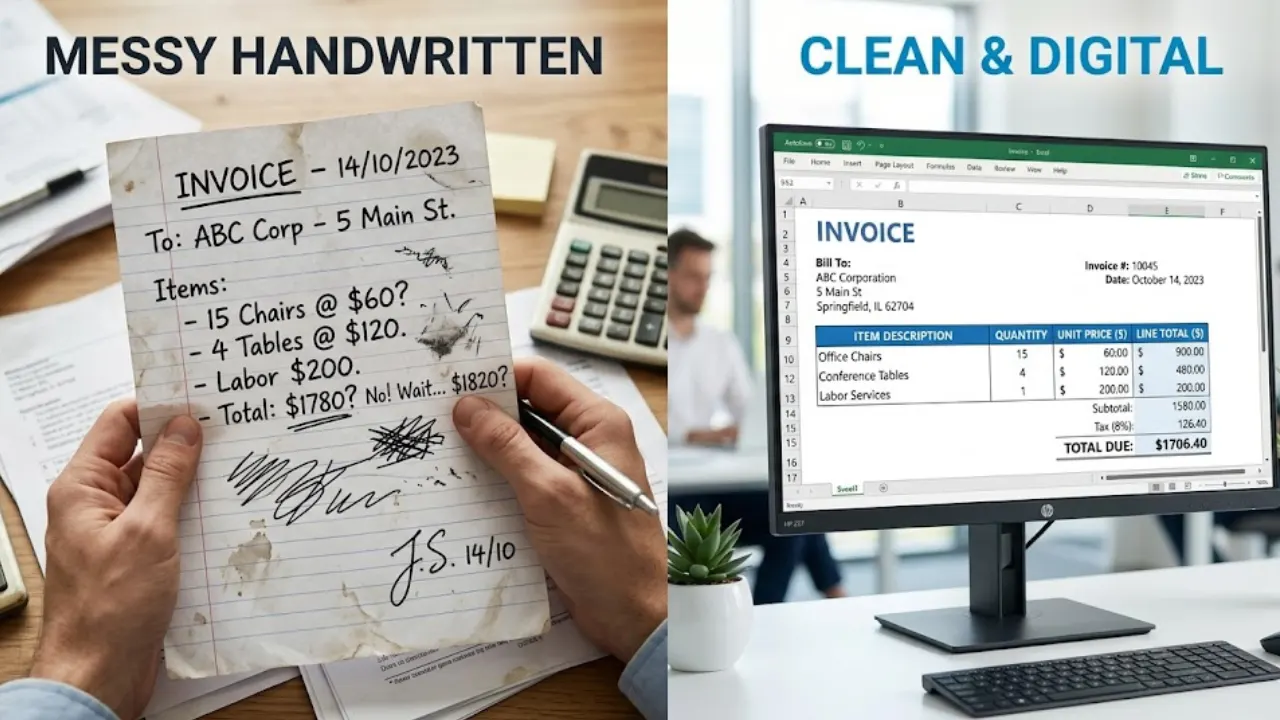
Creating Invoice in Excel Step by Step (With Formula + Free Template)
Creating invoices in Excel is one of the easiest ways to manage billing for freelancers and businesses. In this guide, you’ll learn step-by-step how to design a clean invoice and use formulas to automate calculations like totals, taxes, and discounts.
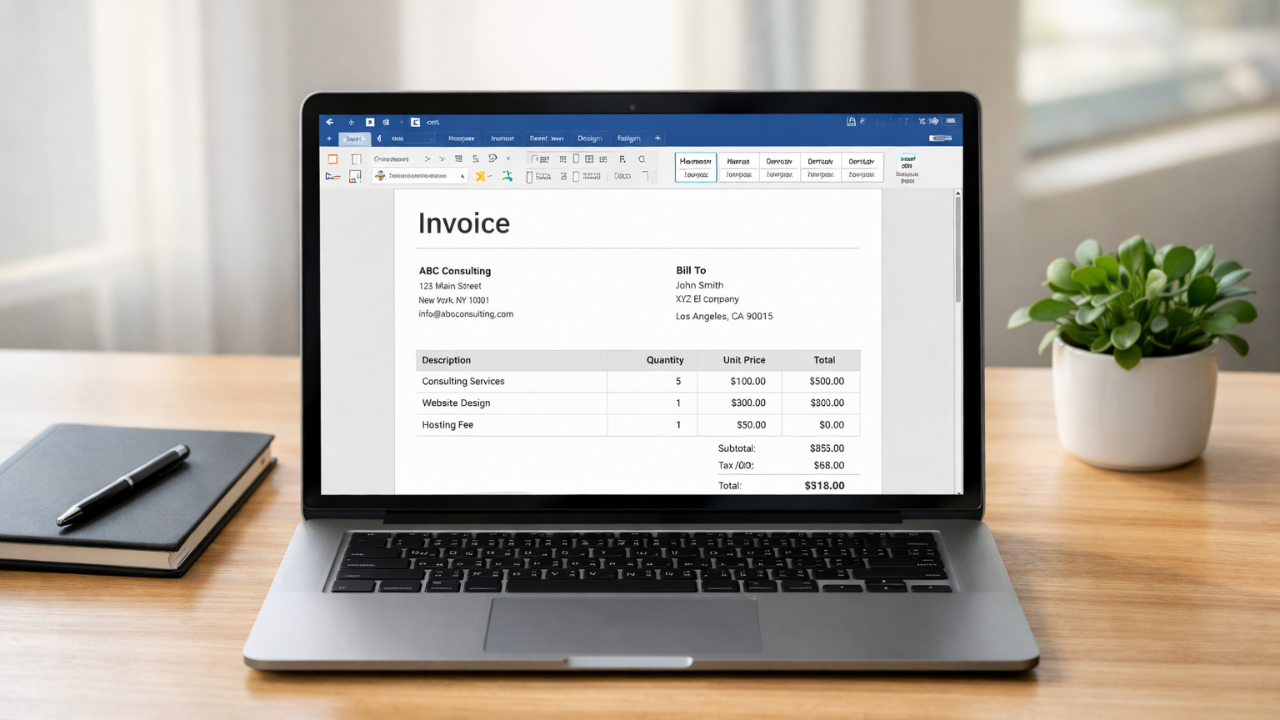
Simple Invoice Format in Word (Free Template for Small Businesses)
Learn how to create a simple invoice format in Word with easy examples, essential invoice elements, and step-by-step guidance.