Digital Nomad Invoicing in 2026: How to Bill Clients Across Borders Without a Tax Headache
What Is Digital Nomad Invoicing?
Digital nomad invoicing means sending invoices to clients while you work remotely and may live or travel between different countries.
For example, imagine a freelance web designer from India who spends a few months in Thailand, then moves to Portugal, while continuing to work for clients in the United States and the UK. The work stays the same, but invoicing can become more complicated because the freelancer, client, payment currency, and tax rules may involve different countries.
A digital nomad invoice is not necessarily a special type of invoice. In most cases, it is a normal freelancer or business invoice that needs to contain the information required for the relevant tax and business rules.
The important part is knowing which rules apply to you before you send the invoice.
Why Is Invoicing Harder for Digital Nomads?
For a freelancer working from one country, invoicing may be fairly straightforward. A digital nomad can have more questions:
Which country am I considered a tax resident of?
What address should I put on my invoice?
Should I charge VAT or another tax?
Should I invoice in USD, EUR, GBP, or my local currency?
Does the client's country have special rules?
How should I record currency conversion?
Where do I report the income?
These questions are separate from simply creating the invoice.
For example, a freelancer might live temporarily in Spain while working for a company in the United States. The fact that the client is American does not automatically mean the freelancer follows US tax rules. Similarly, being physically present in another country does not automatically answer the freelancer's tax-residency question.
A Simple Example
Suppose Maria is a freelance graphic designer. She is travelling through Europe and has a US company as a client.
She completes a branding project for $1,500.
Her invoice should clearly show:
Her business or freelancer details
Client detailsInvoice number and date
Description of the branding work
Amount of $1,500 Payment terms
Payment information
Any tax information that applies
But before adding VAT or another tax, Maria needs to understand which tax rules apply to her situation and the type of service she provides.
That is why digital nomad invoicing in 2026 is about more than creating a professional-looking invoice. The invoice is only one part of the process. Your tax residence, client location, service type, currency, and local requirements can all matter.
The good news is that once these points are clear, the actual invoicing process can remain simple.
Where Are You Actually Based for Tax Purposes?
One of the biggest mistakes digital nomads make is assuming that the country where they are currently staying is automatically their tax home.
It is not always that simple.
A digital nomad may spend a few weeks or months in different countries while continuing to work for clients in other parts of the world. Tax residence can depend on factors such as how long you stay, where your home or personal ties are, and the rules of the country involved.
This matters because your tax residence can affect how your freelance income is reported and taxed.
Your Travel Location Is Not Always Your Tax Residence
Suppose you normally live and run your freelance business from India but spend two months working from another country.
You should not automatically change your business or tax information on every invoice simply because you are travelling.
Instead, you need to understand whether your temporary stay changes your tax position under the relevant country's rules.
This is especially important for people who regularly move between countries.
Why Tax Residence Matters for Invoicing?
Before sending an international invoice, you should know:
Where your business is registered, if applicableWhich country you are considered a tax resident ofWhether you have a local tax or business registrationWhether you need to collect VAT, GST, sales tax, or another taxWhether special rules apply to services sold to foreign clients
The client being in another country does not automatically decide where you pay tax.
For example, a freelancer could be working with a company in the United States while being tax resident in another country. The invoice may be issued to the US company, but the freelancer still needs to follow the tax rules that apply to their own situation.
Keep Your Invoice Details Consistent
Constantly changing your invoice address every time you move to a new hotel, apartment, or country can create unnecessary confusion.
Use the business or tax details that are appropriate for your actual setup rather than treating every temporary travel location as your business address.
If your tax residence, business registration, or legal address changes, update your invoicing information accordingly.
When Should You Get Professional Tax Advice?
If you spend long periods in several countries, move frequently, or have a registered business in one country while living in another, the tax situation can become complicated.
Ready To Make invoice?
Generate clean, accurate invoices instantly with our free online invoice generator. No signup required. Fast, simple, and professional.
In that case, it is worth speaking with a qualified tax professional who understands cross-border or digital-nomad taxation.
Do not rely only on where you happen to be working from on a particular day.
For digital nomad invoicing, knowing your tax position first makes the rest of the invoicing process much easier.
Where Are You Actually Based for Tax Purposes?
One of the biggest mistakes digital nomads make is assuming that the country where they are currently staying is automatically their tax home.
It is not always that simple.
A digital nomad may spend a few weeks or months in different countries while continuing to work for clients in other parts of the world. Tax residence can depend on factors such as how long you stay, where your home or personal ties are, and the rules of the country involved.
This matters because your tax residence can affect how your freelance income is reported and taxed.
Your Travel Location Is Not Always Your Tax Residence
Suppose you normally live and run your freelance business from India but spend two months working from another country.
You should not automatically change your business or tax information on every invoice simply because you are travelling.
Instead, you need to understand whether your temporary stay changes your tax position under the relevant country's rules.
This is especially important for people who regularly move between countries.
Why Tax Residence Matters for Invoicing?
Before sending an international invoice, you should know:
Where your business is registered, if applicableWhich country you are considered a tax resident ofWhether you have a local tax or business registrationWhether you need to collect VAT, GST, sales tax, or another taxWhether special rules apply to services sold to foreign clients
The client being in another country does not automatically decide where you pay tax.
For example, a freelancer could be working with a company in the United States while being tax resident in another country. The invoice may be issued to the US company, but the freelancer still needs to follow the tax rules that apply to their own situation.
Keep Your Invoice Details Consistent
Constantly changing your invoice address every time you move to a new hotel, apartment, or country can create unnecessary confusion.
Use the business or tax details that are appropriate for your actual setup rather than treating every temporary travel location as your business address.
If your tax residence, business registration, or legal address changes, update your invoicing information accordingly.
When Should You Get Professional Tax Advice?
If you spend long periods in several countries, move frequently, or have a registered business in one country while living in another, the tax situation can become complicated.
In that case, it is worth speaking with a qualified tax professional who understands cross-border or digital-nomad taxation.
Do not rely only on where you happen to be working from on a particular day.
For digital nomad invoicing, knowing your tax position first makes the rest of the invoicing process much easier.
What Should a Digital Nomad Invoice Include?
A digital nomad invoice usually does not need to look completely different from a normal freelancer invoice. The main difference is that international work can require you to pay closer attention to tax details, currencies, and client information.
A good invoice should make it clear who provided the service, who is paying, what was provided, how much it costs, and how the client should pay.
Basic Details to Include
Your invoice should generally contain:
Your name or registered business name
Business address or required business details
Tax identification number, if applicable
Client's name or company name
Client's address
Client's tax or business number, when required
A unique invoice number
Invoice date
Service or delivery date, when required
Clear description of the service
Quantity, hours, or project details where relevant
Price per service or unit
Total amount
Currency
Applicable tax or VAT information
Payment due date
Bank or payment details
Not every country requires exactly the same information, so the final invoice requirements depend on your business and the countries involved.
Make the Service Description Clear
Avoid descriptions such as "Work", "Design", or "Consulting" when they do not explain what the client is paying for.
Instead, describe the service clearly.
For example:
Website development — landing page design and front-end development
or
Content writing — 5 SEO blog articles
A clear description helps both you and your client understand what the payment relates to. It can also make your records easier to review later.
Always Show the Currency Clearly
International clients should never have to guess whether an amount is in USD, EUR, GBP, or another currency.
For example:
Total: USD 1,200
is much clearer than simply writing:
Total: 1,200
If you use a foreign currency, make sure the currency is shown consistently on the invoice.
Add the Correct Tax Information
This is one of the most important parts of an international invoice.
Do not automatically add VAT, GST, sales tax, or another tax just because your client is in another country.
The correct treatment can depend on factors such as:
Your tax residenceYour business registrationThe client's countryWhether the client is a business or individualThe type of serviceLocal tax rulesAny applicable international tax agreement
If no tax is charged under the applicable rules, the invoice may need an appropriate note or reference instead. The exact wording depends on the relevant jurisdiction.
Keep Your Invoice Easy to Understand
Your client may be in a completely different country and may not be familiar with your local invoicing practices.
A clean invoice should therefore make these points obvious:
Who? — Freelancer and client
What? — Service provided
How much? — Amount and currency
When? — Invoice date and due date
How? — Payment method
Tax? — Applicable tax information
A professional invoice does not need to be complicated. It simply needs to contain the right information and make the payment process clear.
For digital nomads working with clients across borders, getting these basics right can save time and prevent unnecessary questions later.
What Currency Should You Use on an International Invoice?
When you work with clients in different countries, you may not always invoice in the currency you normally use.
A client in the United States may prefer USD, a client in the UK may prefer GBP, and a client in Europe may prefer EUR. As a digital nomad, choosing the currency before starting a project can make payment much easier.
There is no single currency that is best for every freelancer. The right choice depends on your agreement with the client, your business setup, payment method, and any applicable tax or accounting requirements.
Invoice in the Currency Agreed With Your Client
The simplest approach is to agree on the currency before you start the work.
For example:
US client → USD
UK client → GBP
EU client → EUR
International client → another mutually agreed currency
If you agree to a project for USD 2,000, your invoice should clearly show that the amount is in USD.
Do not assume the client will automatically understand the currency from the number alone.
What If Your Bank Uses Another Currency?
Your invoice currency and your bank account currency do not always have to be the same.
For example, you could send an invoice for:
USD 2,000
but receive the payment in an account that converts the money into your local currency.
The final amount you receive can be different because of the exchange rate, bank charges, or payment-provider fees.
This is why it is useful to check your payment method before sending a large international invoice.
Be Careful With Exchange Rates
Currency values change regularly.
Suppose you invoice a client for €1,500. The amount you eventually receive in your local currency may depend on the exchange rate on the payment date rather than the rate on the day you created the invoice.
This can create a difference between:
The amount shown on the invoiceThe amount receivedThe amount recorded in your accounting or tax records
Keep the original invoice and payment record so you can explain the difference later if needed.
Who Pays the Conversion Fees?
International payments can involve fees from banks or payment services.
Before starting the project, decide whether:
The client pays the transfer feesYou absorb the feesThe agreed project price already includes payment costs
For example, if you need to receive the full equivalent of $1,000, simply writing "$1,000" on the invoice may not guarantee that exactly that amount reaches your account.
Clear payment terms can prevent misunderstandings.
Should You Show Two Currencies?
Sometimes a freelancer may want to show the invoice amount in both the client's currency and their own currency.
This can be useful for reference, but it can also create confusion if it is unclear which amount the client is actually required to pay.
If you show a converted amount, clearly label it as an approximate or reference amount when appropriate.
For example:
Amount due: USD 2,000 Approximate local equivalent: INR 168,000
The exact exchange-rate and tax-recording requirements can vary, so follow the rules that apply to your business.
Choose One Clear Amount to Pay
Your client should not have to guess which number to use.
The invoice should clearly identify:
Amount due: EUR 1,500
and then provide the correct payment details.
For digital nomad invoicing, a clearly stated currency and agreed payment method can make international payments much smoother and reduce unnecessary back-and-forth with clients.
Do Digital Nomads Need to Charge VAT or Sales Tax?
There is no single tax rule that applies to every digital nomad.
Whether you need to charge VAT, GST, sales tax, or another tax can depend on where you are tax resident, where your business is registered, where your client is located, and what type of service you provide.
This is why you should not automatically add a tax to an international invoice just because the client is in another country.
Your Client's Country Matters
The tax treatment can be different depending on whether your client is:
A business in your own countryA business in another countryAn individual customer abroadA business registered for VAT or another consumption taxA customer in a country with different tax rules
For example, a freelancer may provide software development services to a company in another country. The tax treatment for that transaction can be different from providing the same service to an individual consumer.
B2B and B2C Invoices Can Be Different
One important distinction is whether you are invoicing a business-to-business (B2B) client or a business-to-consumer (B2C) customer.
Some countries have special rules for services provided to businesses outside the country. Other rules may apply when the customer is a private individual.
So before adding tax, check:
Who is the customer? Where is the customer located? What service are you providing? Where is your business registered?
These details can affect the tax treatment.
Do Not Add VAT Just to Be Safe
Adding tax when you are not supposed to charge it can create problems.
For example, imagine you provide a service to an overseas business and your applicable rules say that the customer should account for the tax instead of you charging it.
If you simply add VAT because you think every invoice must include tax, you could end up showing the wrong amount on the invoice.
The opposite can also be a problem: failing to charge a tax when you are required to do so.
What About Digital Nomads Moving Between Countries?
This is where things can become more complicated.
If you regularly move between countries, your personal travel location, tax residence, business registration, and VAT or GST obligations may not always be the same.
For example, you might:
Have a business registered in one countryBe temporarily living in another countryHave clients in several other countries
You should not assume that moving to a new country for a few months automatically changes every tax rule connected to your invoices.
Instead, check the rules that apply to your actual tax and business situation.
What Should You Put on the Invoice?
If tax applies, your invoice should show the required tax details clearly.
Depending on the relevant rules, this may include:
Tax rateTax amountTax identification numbersA tax exemption or special-treatment noteA reverse-charge reference where applicable
The exact information and wording can vary by country and transaction.
Keep Tax Separate From the Invoice Design
An invoicing tool can help you create a clean invoice and calculate amounts, but it cannot decide your tax residence or determine every cross-border tax obligation for you.
That decision comes from the rules that apply to your situation.
If you are regularly working across several countries or earning significant income from foreign clients, getting advice from a qualified tax professional can be worthwhile.
The safest approach to digital nomad invoicing is simple: understand the applicable tax treatment first, then create the invoice based on it.
How to Invoice Clients in Another Country
Invoicing an international client does not have to be complicated. The main difference is that you need to check a few extra details before sending the invoice.
A simple process can help you avoid mistakes and make your payments easier to track.
Step 1: Confirm Your Client's Details
Before creating the invoice, collect the client's correct information.
This may include:
Full name or company nameBusiness addressCountryTax or business identification number, if requiredBilling emailContact person
If the client is a company, ask for the exact legal or billing name they want to appear on the invoice.
A small spelling mistake in a company name or tax number can cause problems with their accounting records.
Step 2: Check the Applicable Tax Rules
Before adding VAT, GST, sales tax, or another tax, check whether it applies to the transaction.
Consider:
Your tax residenceYour business registrationClient's countryWhether the client is a business or individualType of serviceAny applicable tax rules for cross-border services
Do this before sending the invoice rather than trying to fix the tax details after payment.
Step 3: Agree on the Currency
Decide which currency you and your client agreed to use.
For example:
Project price: USD 2,500
If the client pays in USD, the invoice should clearly identify USD as the currency.
Also confirm whether your payment account can receive that currency and whether conversion fees will apply.
Step 4: Add the Correct Invoice Information
Create the invoice with all required details.
Include:
Your details
Client details
Invoice number
Invoice date
Service description
Amount
Currency
Applicable tax information
Payment instructions
Keep the service description specific enough that the client can easily understand what they are paying for.
Step 5: Review Before Sending
Take a minute to check the invoice before sending it.
Look for:
Correct clientCorrect amountCorrect currencyCorrect invoice numberCorrect tax treatmentCorrect payment informationCorrect due date
This quick review can prevent an incorrect invoice from being sent to an international client.
Step 6: Send the Invoice
Once everything is correct, send the invoice using your normal invoicing system.
Depending on your setup, this could be through an invoicing platform, accounting software, or another suitable method.
If the transaction is subject to a country's electronic invoicing requirements, make sure you follow those requirements rather than relying only on a PDF sent by email.
Step 7: Track the Payment
Creating the invoice is only the first part.
After sending it, track:
Invoice statusPayment due datePayment receivedCurrency receivedPayment or conversion feesAny difference between the invoiced amount and amount received
This becomes especially useful when you have clients in several countries.
Step 8: Keep Your Records
Save the invoice and related payment information.
Keep records of:
Invoice copiesContracts or agreementsPayment confirmationsExchange-rate information when relevantTax documentsExpenses related to the work
Good records make it easier to prepare your accounts and answer questions later.
A Simple Example
Imagine a freelance developer working remotely with a company in the UK.
The developer agrees to build a website for £2,000.
Before invoicing, they confirm the company's details, check the applicable tax treatment, agree on GBP as the payment currency, create the invoice, review the information, and send it to the client.
After payment, they keep the invoice and payment record together.
That is the basic idea behind international invoicing for freelancers: check the rules, create a clear invoice, receive the payment, and keep good records.
Conclusion
Digital nomad invoicing does not have to be complicated. Know your tax residence, check your client's country, use the correct currency and tax details, and keep your invoices and payment records organized.
With a simple invoicing system and the right tax guidance, you can bill international clients confidently while working from anywhere.
Found this helpful?
Share it with a fellow freelancer or business owner.
Keep reading
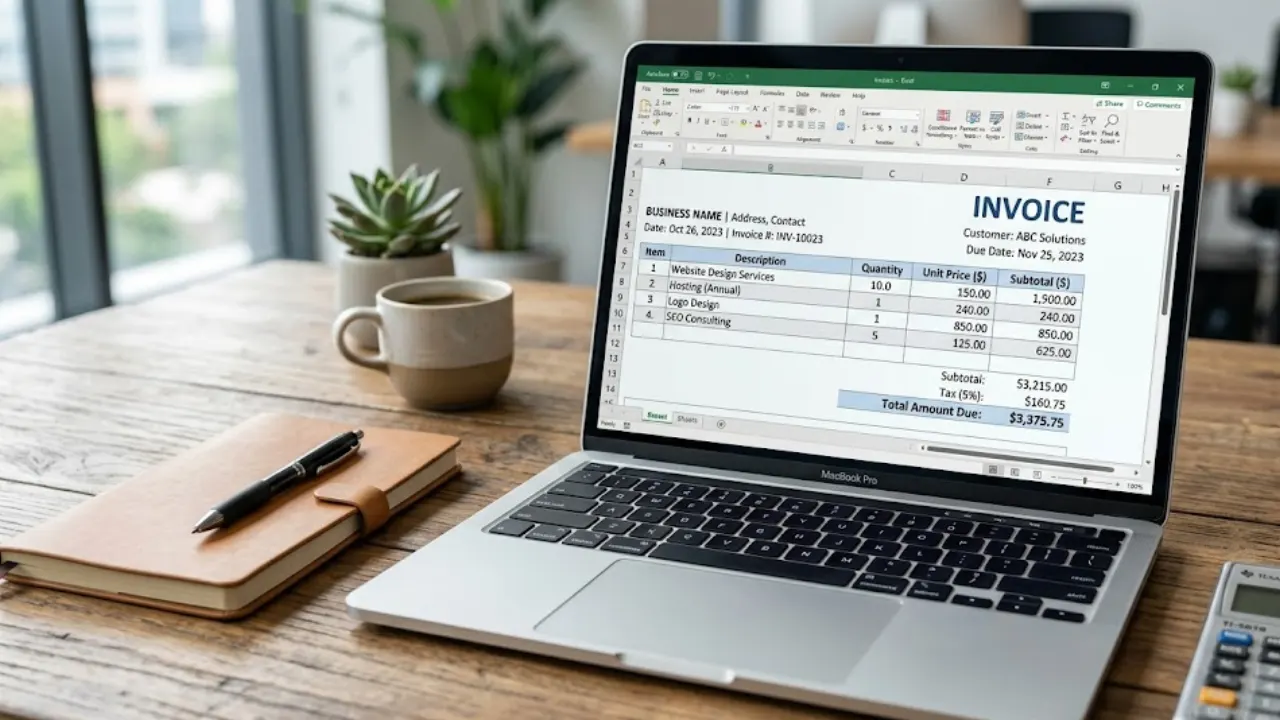
Free Invoice Template in Excel: Download & Create Professional Invoices Easily
A free invoice template in Excel helps you create clean and professional invoices without any design skills. You can easily edit details like client name, services, price, and total amount. It’s simple, fast, and perfect for freelancers and small businesses who want an organized billing process.
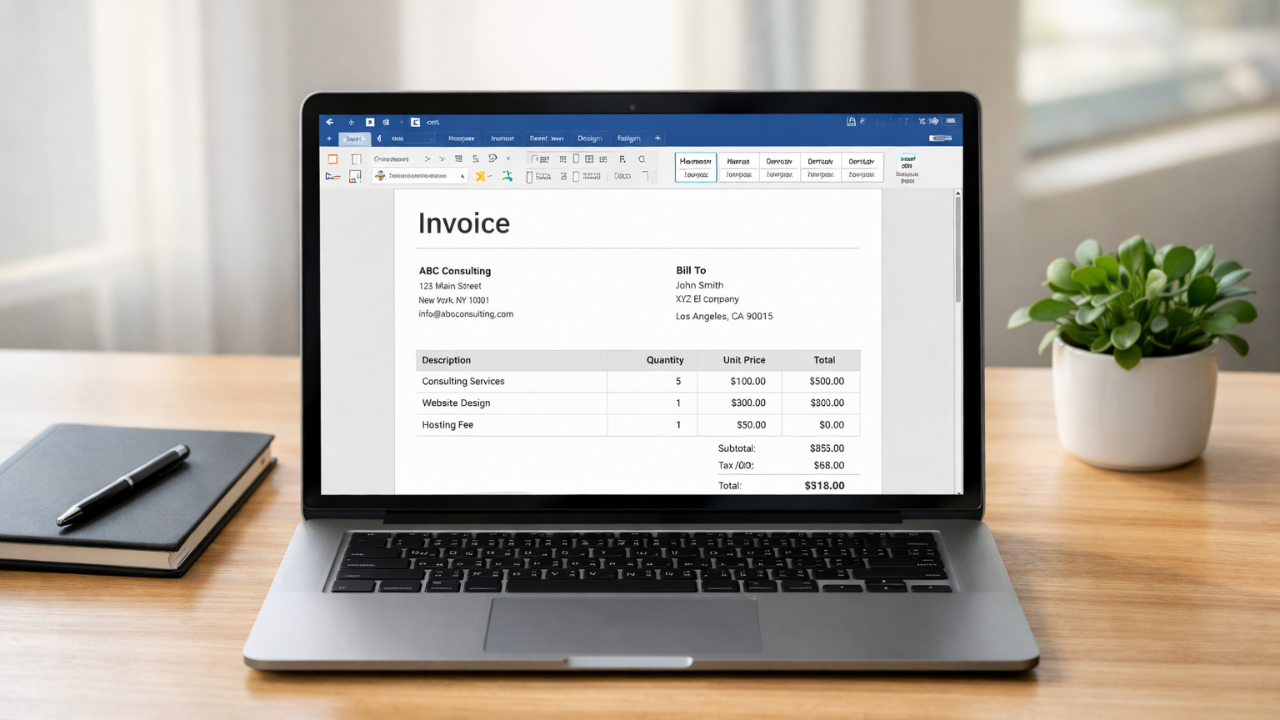
Simple Invoice Format in Word (Free Template for Small Businesses)
Learn how to create a simple invoice format in Word with easy examples, essential invoice elements, and step-by-step guidance.
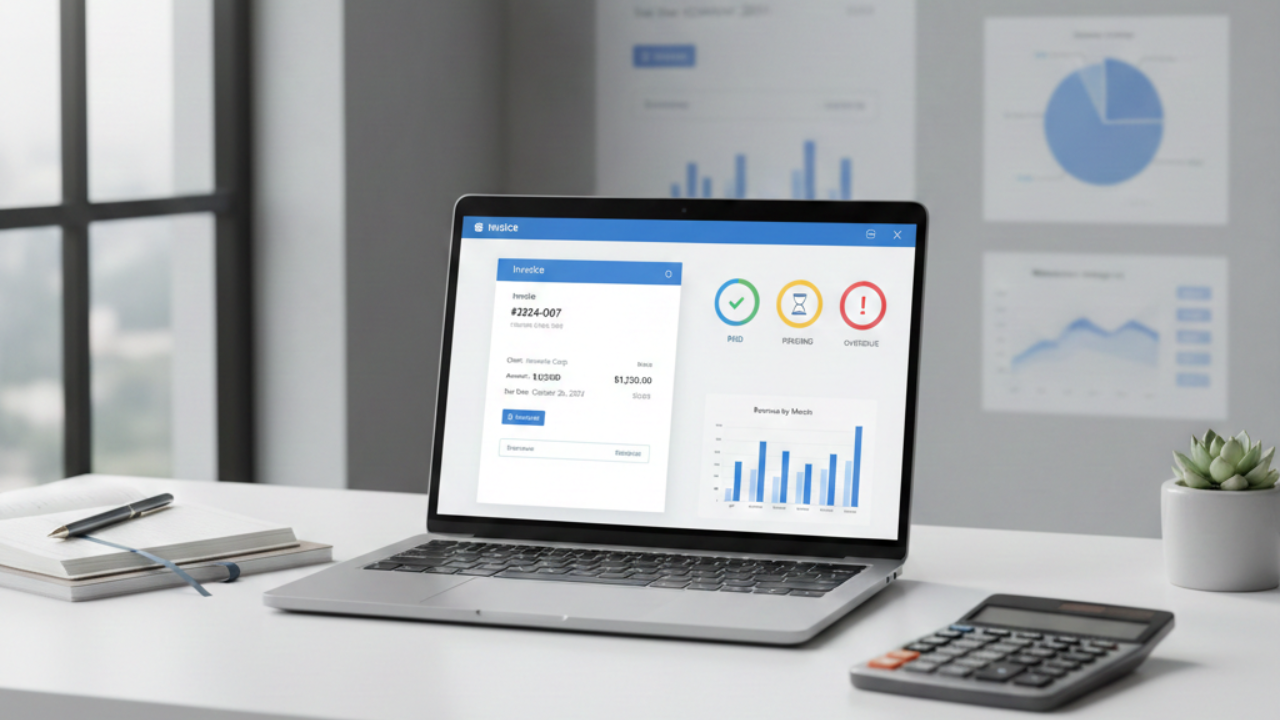
Best Billing Software for Small Business (2026 Comparison Guide)
Discover the best billing software for small business in 2026. Compare top tools, features, and pricing to find the right solution for faster invoicing and better payment management.
How to Create Professional Quotations Online with a Free Quotation Maker
Create professional quotations online easily with a free quotation maker. Learn how to make business quotations, download PDFs, and send quotes to clients professionally.
How to Create a Professional Invoice Your Clients Will Pay Faster (Step-by-Step Guide)
Creating a professional, well-structured invoice with clear pricing and payment terms helps you build trust, reduce delays, and get paid faster while maintaining a strong business image.

Freelance Checklist: 5 Things to Do Before You Send Your First Bill
Landing your first client is a win, but getting paid is the real goal. Follow this checklist to ensure your first billing cycle is seamless.